

In the beverage industry, carbon dioxide (CO₂) is more than just a fizzy element that gives soda and beer their refreshing bubbles. From carbonation to packaging, CO₂ plays a critical role in maintaining beverage quality, extending shelf life, and ensuring the final product is safe and enjoyable. In this article, we’ll explore how CO₂ is used in various aspects of beverage production and the importance of ensuring a high-quality supply of CO₂ for optimal results.
CO₂ and Carbonation: The Key to Fizz
The most common use of CO₂ in the beverage industry is for carbonation. Whether it’s soda, sparkling water, or beer, CO₂ is injected under pressure into these beverages to create the signature bubbles that make them so refreshing. The process of carbonation ensures that the CO₂ dissolves into the liquid, providing both the effervescence and the distinctive taste consumers expect.
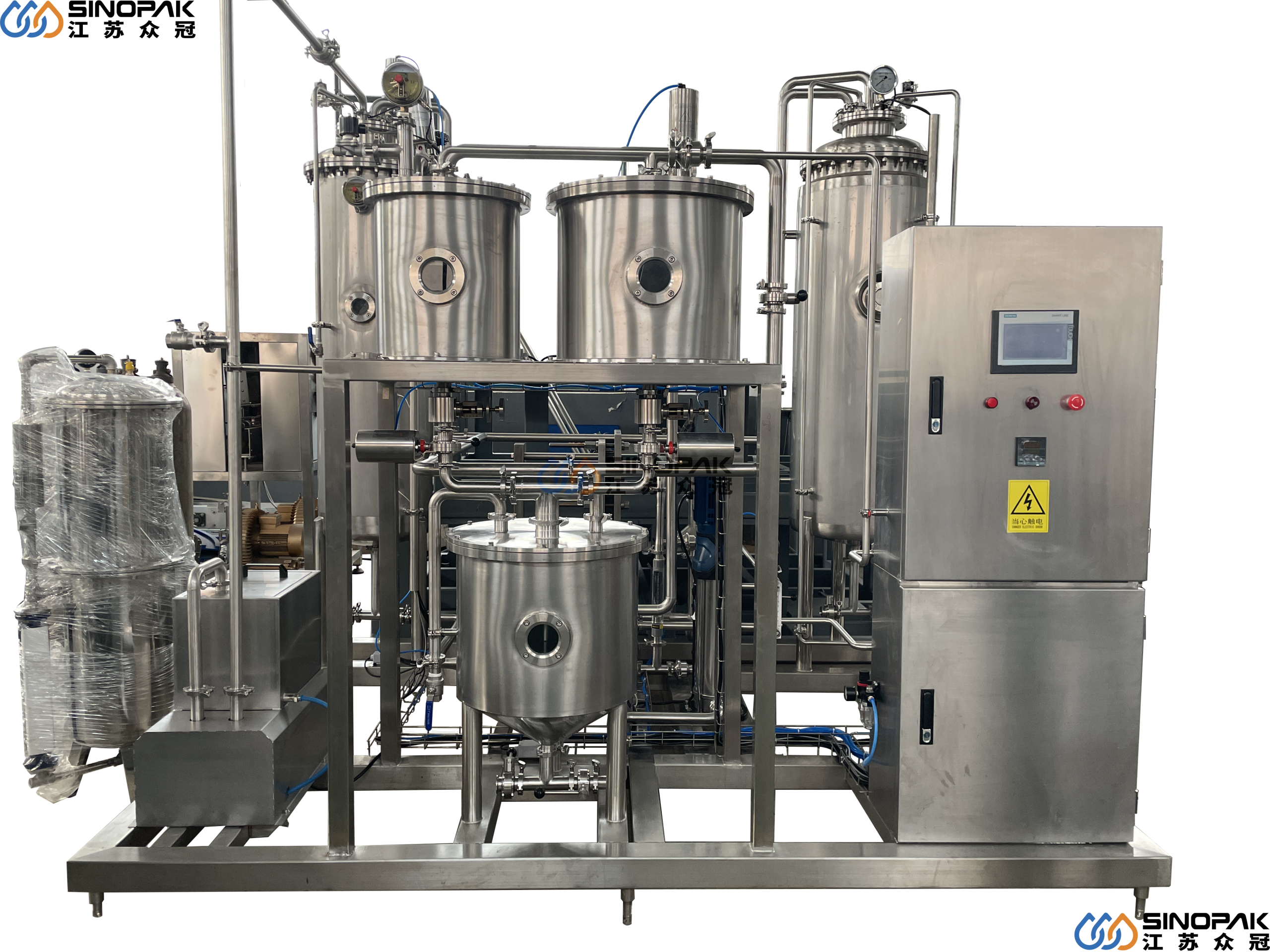
The level of CO₂ used in beverages must be carefully controlled. A Carbonated Soft Drink Filling Machine ensures precise carbonation during the filling process, maintaining the ideal balance of gas and liquid. This is essential not only for the taste but also for the texture of the beverage, ensuring consistency across large production runs.

CO₂ in Beer Dispensing: Pressure and Quality Control
In beer production and serving, CO₂ is indispensable. Kegs of beer are pressurized with CO₂ to maintain carbonation and ensure that the beer flows smoothly from the keg to the tap. This pressure helps prevent the beer from becoming stale in pumps that aren’t used regularly. CO₂ also helps adjust the carbonation level based on the type of beer, as different beers have varying carbonation needs.
The use of CO₂ in beer dispensing is carefully regulated to ensure that the beer tastes fresh and carbonated without being too fizzy or flat. For businesses that rely on consistent beer quality, investing in the right equipment, including a Carbonated Soft Drink Filling Machine, ensures that CO₂ levels are accurately controlled from production to serving.
Dry Ice for Special Effects and Serving
CO₂ isn’t just used for carbonation; it’s also used to create impressive effects in some high-end bars and restaurants. Dry ice, which is solid CO₂, is often used to produce fog or smoke effects in drinks. When placed in a drink, dry ice rapidly sublimates, turning from a solid into a gas, and creates a dramatic fog that adds to the visual appeal of the drink.
However, it’s important to use dry ice with care. It should only be used in small amounts and handled by professionals to avoid any health risks. For this reason, CO₂ suppliers who offer dry ice for hospitality use must ensure the product meets safety standards for handling.
CO₂ for Glass Chilling: Faster and More Efficient
CO₂ is also used to chill glasses quickly in bars and restaurants. While traditional methods like using ice or freezers can be slow and inefficient, CO₂ offers a faster way to achieve the desired temperature. When CO₂ is released under pressure, it cools rapidly, making it perfect for glass chilling. This allows establishments to serve drinks in cold glasses without the long wait times associated with traditional methods.
Many hospitality businesses rely on CO₂ for this purpose, ensuring that customers enjoy a refreshing experience with chilled glasses that keep their drinks cooler for longer. CO₂ is also safe to use in these processes, as it is an inert gas that doesn’t pose a risk to the drink or the customer.
Packaging and Preserving Beverage Freshness
In addition to its role in carbonation, CO₂ also plays a crucial role in preserving the freshness of beverages. When CO₂ is used in the packaging process, it displaces oxygen, which helps prevent the growth of bacteria and mold. This is especially important for canned or bottled beverages, as the presence of oxygen can lead to spoilage and a shortened shelf life.
By using CO₂ to create a controlled environment within each container, manufacturers can ensure that their products remain fresh until they reach the consumer. The CO₂ also helps maintain the carbonation, ensuring the beverage tastes as good when opened as it did when it was filled.

CO₂ Quality and Purity: Essential for Safety and Taste
Not all CO₂ is the same. For beverages, the gas used must meet strict purity standards to ensure that it doesn’t affect the taste or safety of the product. Beverage-grade CO₂ must be at least 99.9% pure, free from any contaminants that could alter the flavor or lead to health risks. Suppliers of CO₂ for the beverage industry undergo rigorous quality control processes to guarantee the highest standards.
By using high-quality CO₂, beverage producers can avoid potential issues with taste or safety, and ensure that their products meet consumer expectations.
Conclusion
CO₂ is an essential component of the beverage industry, from carbonation to packaging and preservation. By maintaining precise CO₂ levels, companies can ensure their products are fresh, safe, and of high quality. For businesses looking to enhance their production processes, investing in reliable CO₂ suppliers and equipment such as the Carbonated Soft Drink Filling Machine is crucial.
At SinoPAK Machinery, we offer high-quality filling machines and CO₂ solutions to help streamline your production and ensure your beverages meet the highest standards. Contact us today to learn more about our products and how we can support your business needs.