

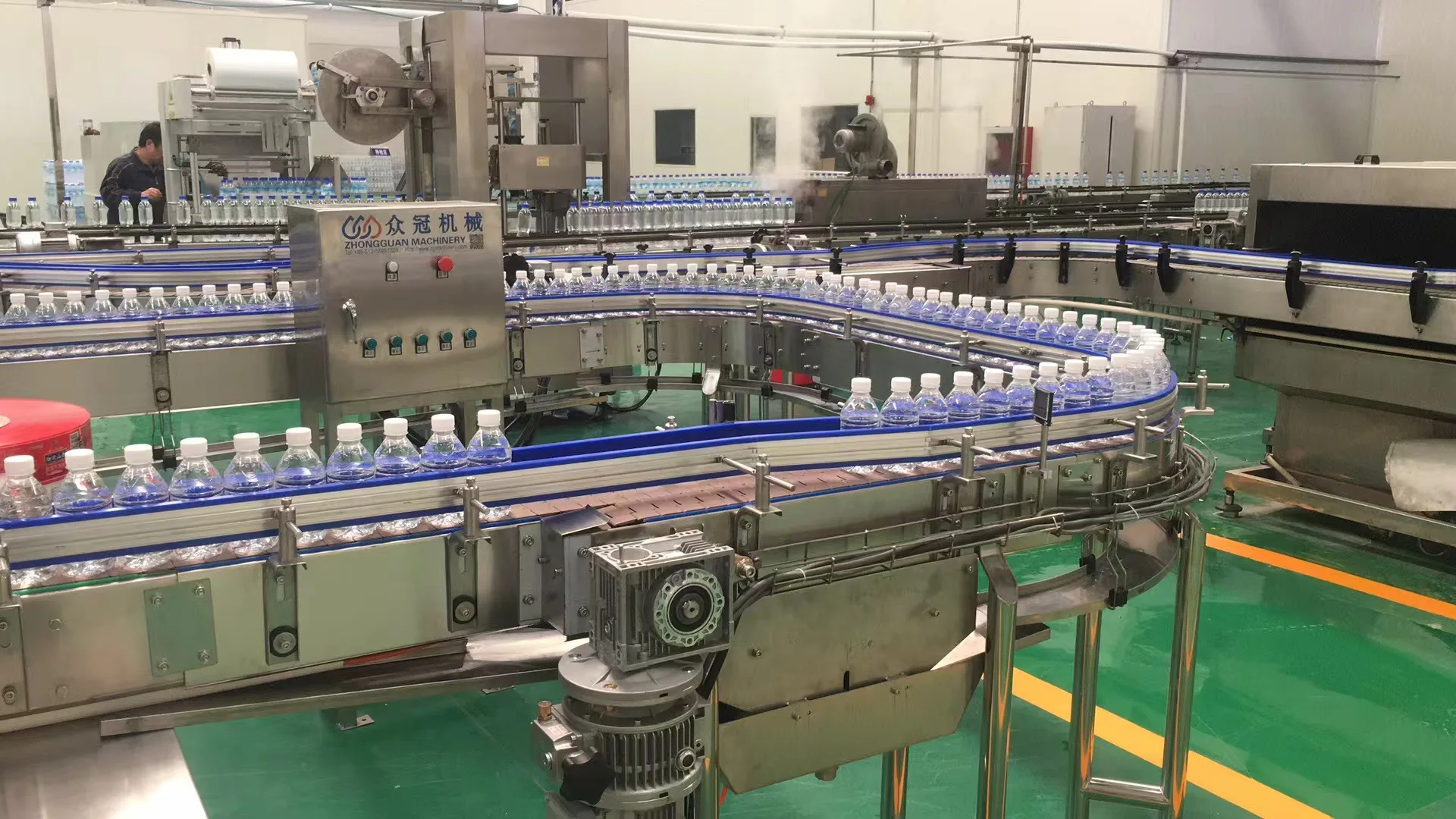
1. Introduction: Why Hotfill Technology Matters for Juice and Tea Brands
In the competitive beverage market, ensuring microbiological safety while preserving flavor is critical — especially for juice filling and tea drinks that are distributed without refrigeration.
A properly selected hotfill machine allows manufacturers to:
-
Eliminate preservatives
-
Extend shelf life
-
Maintain product integrity
-
Ensure production stability
However, choosing the wrong hotfill system can lead to bottle deformation, inconsistent fill levels, or excessive operational costs.
As an experienced filling machine manufacturer and exporter serving global beverage producers, we understand that selecting the right hotfill solution requires evaluating bottle type, temperature tolerance, production capacity, and long-term scalability.
This guide provides expert selection criteria to help you invest in the right equipment.
2. Understanding Hotfill Technology in Juice and Tea Drinks
A hotfill machine works by filling beverages at elevated temperatures (typically 85°C–95°C) to sterilize both the product and the inner surface of the bottle.
The Core Process Includes:
- Product heating and sterilization
- High-temperature filling
- Cap sealing
- Bottle inversion (to sterilize cap area)
- Controlled cooling
This process ensures that juice and tea drinks remain shelf-stable without chemical preservatives.
Hotfill systems are widely used for:
- NFC juice
-
Fruit juice with pulp
-
Iced tea
-
Herbal tea beverages
-
Functional drinks
3. Key Criteria 1: Bottle Type Selection
One of the most critical factors in choosing a hotfill machine is container compatibility.
3.1 PET Bottles (Heat-Resistant PET)
Most juice and tea drinks use specially designed heat-resistant PET bottles.
Important considerations:
-
Bottle base structure (petaloid or reinforced base)
-
Panel design for vacuum absorption
-
Wall thickness
-
Neck standard compatibility
Your hotfill machine must ensure:
-
Stable bottle handling at high temperatures
-
Minimal deformation during filling
-
Accurate neck holding during transfer
If your production uses lightweight PET bottles, advanced pressure control and precise filling valve design become even more important.
3.2 Glass Bottles
Glass bottles naturally tolerate high temperatures and are ideal for premium juice or tea drinks.
Advantages:
-
Excellent thermal stability
-
High-end market positioning
-
Reusable packaging options
In this case, your hotfill machine should focus on:
-
Gentle bottle handling
-
Anti-breakage design
-
Stable conveying systems
4. Key Criteria 2: Temperature Tolerance & Process Control
Hot filling typically occurs between 85°C and 95°C. However, not all beverages require the same temperature.
Selection Considerations:
-
Juice acidity level (pH value)
-
Tea extract formulation
-
Shelf life requirements
-
Local regulatory standards
An advanced hotfill machine should include:
-
Precise temperature monitoring
-
PLC automatic control
-
Anti-drip filling valves
-
CIP cleaning systems
-
Reliable cap sterilization mechanisms
For high-value tea drinks or pulp juice, temperature consistency is critical to maintaining flavor and nutritional value.
5. Key Criteria 3: Production Volume and Line Capacity
Before investing, beverage producers must clearly define:
-
Bottles per hour (BPH)
-
Daily production targets
-
Peak season demand
-
Future expansion plans
Small to Medium Production (3,000–8,000 BPH)
Ideal for regional beverage brands or start-ups.
Compact hotfill machines with integrated rinsing, filling, and capping are cost-effective.
Medium to High-Speed Production (10,000–24,000 BPH)
Suitable for large-scale juice and tea drink manufacturers.
Requires:
-
High-precision filling valves
-
Stable conveying systems
-
Efficient cooling tunnels
-
Advanced automation
Choosing the right capacity ensures optimal ROI without unnecessary capital expenditure.
6. Filling Accuracy and Product Integrity
For juice filling and tea drinks, maintaining consistent fill volume is essential for:
-
Regulatory compliance
-
Cost control
-
Brand credibility
A well-designed hotfill machine should provide:
-
Minimal liquid splashing
-
Stable flow rate control
-
Accurate liquid level or volumetric filling
-
Reduced oxygen pickup
Proper filling technology directly affects beverage clarity, pulp distribution, and tea infusion stability.
7. Line Integration and Automation Considerations
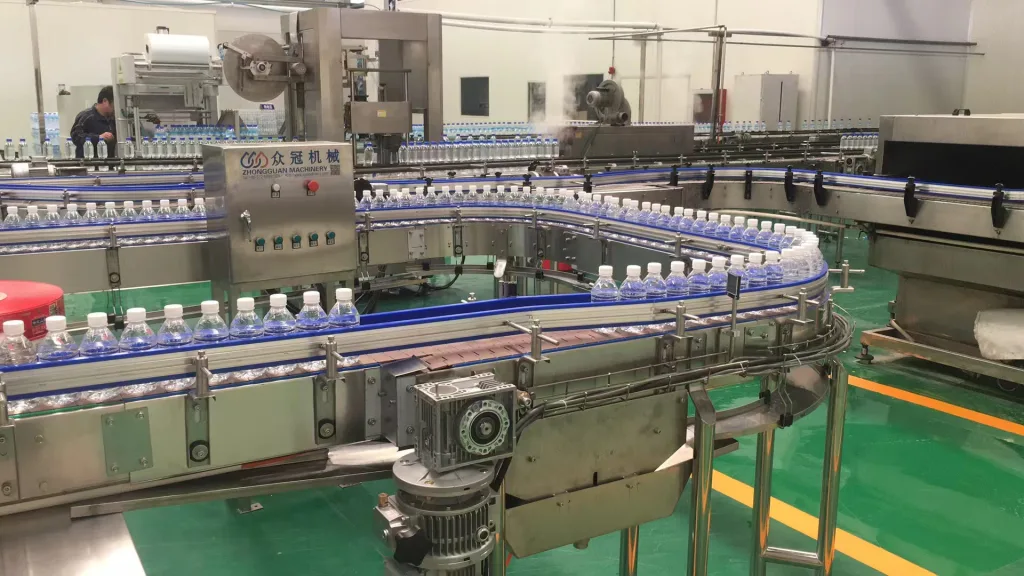
A hotfill system is not just a standalone machine — it must integrate smoothly with:
-
Water treatment systems
-
Beverage mixing systems
-
Bottle blow molding machines
-
Labeling machines
-
Packaging machines
Modern beverage factories increasingly demand automated water bottling lines to reduce labor costs and improve consistency.
When selecting your hotfill solution, ensure:
-
Seamless synchronization between equipment
-
User-friendly HMI interface
-
Remote monitoring capability
-
Easy maintenance access
8. Common Mistakes When Choosing a Hotfill Machine
Many beverage producers focus only on price. However, long-term performance depends on:
-
Engineering quality
-
Valve precision
-
Temperature stability
-
After-sales technical support
An under-designed system may lead to:
-
Bottle deformation
-
Inconsistent filling
-
Frequent downtime
-
Product contamination risks
Professional evaluation before purchase prevents costly production disruptions later.
9. Why Engineering Expertise Matters
Selecting the right hotfill machine requires technical knowledge of:
-
Beverage formulation
-
Bottle engineering
-
Thermal dynamics
-
Production planning
As a professional filling machine manufacturer and exporter, we provide:
-
Customized juice filling and tea drinks solutions
-
Complete hotfill bottling lines
-
Technical layout design
-
Installation and commissioning support
-
Long-term after-sales service
Our engineering team evaluates your:
-
Bottle sample
-
Beverage type
-
Target capacity
-
Factory layout
to deliver a tailored and reliable hotfill system.
10. Conclusion: Invest in a Hotfill Machine That Supports Long-Term Growth
The right hotfill machine for juice filling and tea drinks is not simply about filling hot liquid into bottles — it is about ensuring product safety, preserving taste, protecting packaging integrity, and maximizing production efficiency.
By carefully evaluating:
-
Bottle type
-
Temperature tolerance
-
Production volume
-
Automation requirements
you can select a solution that supports sustainable business growth.
If you are planning to launch or upgrade a juice or tea beverage production line, our team is ready to provide a customized hotfill solution designed for your market.
Contact us today to receive a professional proposal and technical consultation for your hot beverage filling project.