

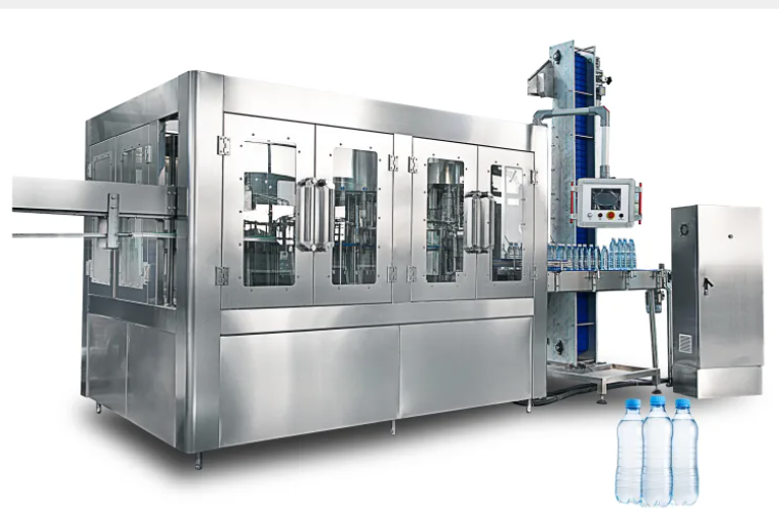
Quick Answer
The right water filling machine is selected by matching four key factors: bottle format, bottle size, target output and factory conditions.
Bottle Format
PET, glass, 3 / 5 gallon, or other container types.
Bottle Size
From small PET bottles to large containers.
Target Output
Match required BPH with stable machine capacity.
Factory Conditions
Water quality, layout, utilities and energy requirements.
What Is a Water Filling Machine?
A water filling machine is equipment used to rinse, fill and cap bottles with purified water or mineral water. It can be integrated with bottle blowing, labeling, sleeve shrinking and carton packing systems to form a complete bottling line.
How Do Bottle Formats Affect Selection?
- PET Bottles: Most common. Use gravity or pressure filling with screw capping.
- Glass Bottles: Require more stable conveyors and gentle handling.
- 3 / 5 Gallon Bottles: Use dedicated rinsing, filling and capping equipment.
How Do You Choose Filling Machine Capacity?
Match the machine capacity with your current demand and future growth plan. Output is usually measured in bottles per hour and should be selected with both production demand and stable operation in mind.
What Factory Conditions Matter?
- Water Quality: TDS, hardness and microbial index must meet process requirements.
- Utilities: Stable power, compressed air and clean water supply.
- Space & Layout: Enough space for equipment, conveyors and maintenance.
Selection Guide
| Production Need | Recommended Machine Type | Typical Capacity |
|---|---|---|
| Standard PET Bottles | Automatic Rotary Filling Machine | 2,000 – 24,000 BPH |
| 3 / 5 Gallon Bottles | Barrel / Gallon Filling Machine | 100 – 1,000 BPH |
| Existing Production Line | Integrated Filling Line | Customized |
Key Takeaways
- Match bottle format, size, output and factory conditions.
- Choose the right filling technology for your water type.
- Plan for future growth and product diversification.