

 Français
  Español
  Português
  العربية
 In the beverage industry, carbon dioxide (CO2) plays a crucial role, particularly in carbonated soft drinks (CSDs), sparkling water, and even some beers. The bubbles we enjoy in these beverages come from high-purity CO2, specially produced and purified for safe consumption. To ensure it meets the required standards, beverage-grade CO2 must undergo a meticulous production process. This process guarantees its purity and safety, ultimately influencing the quality of the final product.
What is Beverage-Grade CO2?
Beverage-grade CO2 is carbon dioxide that has been purified to meet specific food safety standards. The gas is essential for carbonation, as it creates the characteristic fizz in drinks. However, this CO2 must be free from impurities, such as oils, water, and other contaminants, that could affect the taste or safety of the beverages. The production of beverage-grade CO2 involves multiple stages, each designed to ensure the gas meets the highest standards.
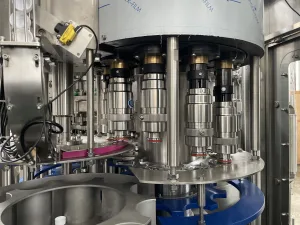
The CO2 Production Process
The journey to producing beverage-grade CO2 begins with the extraction of raw CO2, followed by purification, compression, and storage. Let’s walk through these key stages:
1. Source and Extraction of Raw CO2
CO2 can be sourced from various industrial processes, including natural wells, ethanol production, and chemical plants. The raw CO2 is typically a byproduct of ammonia production or fermentation. Choosing the right source is crucial to ensure that the CO2 is as pure as possible from the start.
2. Purification and Filtration
Once extracted, raw CO2 undergoes purification. This stage removes contaminants such as water, oxygen, and other impurities that could compromise the gas’s quality. Various filtration methods are used, including adsorption, to capture unwanted substances. The CO2 is then filtered in-line to further enhance its purity, ensuring it meets the required standards for beverage use.
3. Compression and Liquefaction
Next, the purified CO2 is compressed and cooled into liquid form. This is achieved through a multi-stage compression process, where the CO2 is pressurized and cooled to reach the right temperature for liquefaction. The resulting liquid CO2 is essential for use in beverage carbonation.
4. Final Processing and Quality Control
Before the liquid CO2 is packaged, it undergoes final processing steps such as deodorization and drying. This ensures that the CO2 is free from any unpleasant odors or moisture that could impact the taste of the beverage. Rigorous quality control measures, including gas chromatography and mass spectrometry (GC-MS) analysis, are employed to confirm that the CO2 is of beverage-grade quality and safe for consumption.
Ensuring Safety and Compliance
Safety is a top priority in the production of beverage-grade CO2. Production facilities must comply with strict safety regulations to handle compressed gas safely. This includes proper training for staff, maintaining adequate ventilation, and ensuring that all equipment is properly maintained to avoid leaks. Additionally, compliance with industry standards such as those set by the International Society of Beverage Technologists (ISBT) is crucial to meet global food safety expectations.

Packaging, Storage, and Distribution
Once the beverage-grade CO2 is processed and verified for purity, it is packaged in steel cylinders under high pressure. These cylinders are then carefully stored in a cool, dry place to preserve the gas’s quality. The CO2 is transported to beverage manufacturers, where it is used to carbonate drinks.
1. Cylinder Filling and Handling
Filling CO2 cylinders is a highly controlled process. To avoid contamination, the cylinders are filled in a clean environment and capped securely to prevent leaks. The CO2 must be kept in a stable, contamination-free state during transport.
2. Preservation and Transport
Proper storage conditions, including cool and dry environments, help preserve the quality of CO2 until it reaches the beverage production facility. Effective supply chain management ensures a continuous, reliable source of CO2 for beverage manufacturers, who rely on an uninterrupted gas supply to maintain production.
Conclusion
The production of beverage-grade CO2 is a detailed and controlled process that ensures the highest levels of purity and safety for carbonated drinks. From source extraction to purification and final quality control, every step is vital in maintaining the quality of the CO2, which directly impacts the quality of your beverages. With SinoPAK Machinery’s expertise in bottling and CO2 systems, you can be confident that your products will meet the highest standards for safety and quality.
