

 Français
  Español
  Português
  العربية
 Introduction
Carbonated beverages are among the world’s most popular drinks, loved for their fizz and refreshing taste. Behind every perfect bottle of soda lies a complex filling process that carefully manages pressure and gas. This process ensures that carbonation levels remain stable and the beverage maintains its signature sparkle. In this article, we will explore how carbonated soft drink filling machines handle pressure and gas during the filling process, from bottle preparation to sealing, and how modern technology ensures precision, efficiency, and quality.
I. Understanding the Role of Pressure in Carbonated Drink Filling
1. Why Pressure Control Matters
Carbonated beverages rely on dissolved carbon dioxide (CO₂) to create the signature bubbles that define their flavor and mouthfeel. However, CO₂ is only soluble under specific pressure and temperature conditions. If the pressure drops during filling, the gas escapes rapidly, leading to excessive foaming or flat-tasting drinks. Maintaining proper pressure ensures that each bottle retains the right level of carbonation and fills cleanly without waste or spillage.
2. Pressure Levels in Different Filling Systems
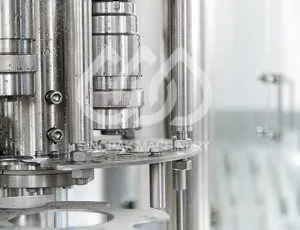
There are several filling methods used in the beverage industry—gravity, vacuum, and isobaric filling. Among them, isobaric (equal-pressure) filling is the preferred technique for carbonated drinks. In this system, the pressure inside the bottle is first equalized with the pressure in the storage tank. This pressure balance allows the beverage to flow smoothly without disturbing the carbonation, ensuring consistent taste and minimizing foam formation.
II. Gas Management in Soft Drink Filling Machines
1. CO₂ Injection and Retention
Before the liquid is filled, the machine injects a measured amount of CO₂ gas into the bottle. This pre-pressurization step ensures that the pressure inside the bottle matches that of the liquid tank. Once balanced, the beverage flows in gently, preserving carbonation and preventing excess foaming. The retained CO₂ not only keeps the drink fizzy but also protects it from oxidation, helping to extend shelf life.
2. Air Removal and Deaeration Process
Oxygen can negatively impact the flavor and freshness of carbonated drinks. To prevent this, modern carbonated soft drink filling machines use advanced deaeration systems that remove air from the bottle before filling. This may involve vacuuming or flushing with CO₂ gas. By replacing oxygen with inert gas, the system minimizes oxidation and maintains beverage quality over time.
III. Step-by-Step Process of Pressure and Gas Control
1. Bottle Feeding and Cleaning
Empty bottles are transported in an orderly manner via conveyor belts to the bottle feeding station. Here, they undergo a thorough cleaning and disinfection process to eliminate impurities and microbial residues. This step ensures a hygienic environment for subsequent filling operations.
2. Pressurization and Isobaric Filling
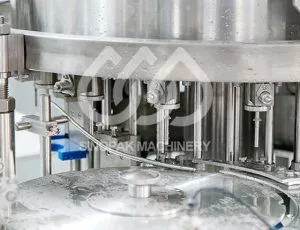
Before filling begins, CO₂ gas is injected into the bottle to establish pressure equilibrium with the storage tank. Once balanced, the carbonated liquid flows smoothly into the bottle under the combined influence of gravity and pressure difference. The process is precisely controlled to achieve the preset filling volume while maintaining stable carbonation levels.
3. Sealing and Gas Retention
Immediately after filling, the bottles enter the sealing station. The filling machine uses an efficient capping mechanism—either screw or press type—to tightly seal the bottle mouth. This step is crucial for maintaining carbonation, preventing leaks, and keeping air out of the beverage.
4. Real-Time Monitoring and Adjustment
Throughout the process, advanced sensors and control systems continuously monitor operational status. Any abnormal conditions—such as bottle blockage, underfilling, or loose caps—trigger automatic alarms and corrections. This ensures production continuity and consistent product quality.
IV. Common Challenges and Optimization Techniques
1. Managing Foam and Splash
Foam control is one of the biggest challenges in carbonated beverage filling. Excess foam can cause overflows and product loss. To reduce foaming, modern filling machines regulate liquid flow rates, maintain proper temperature, and use specially designed nozzles that allow gentle filling without turbulence.
2. Maintaining Consistent Carbonation Levels
Temperature fluctuations or inconsistent pressure can cause variations in carbonation. Automated systems in soft drink filling machines continuously adjust internal parameters to maintain steady CO₂ concentration. This ensures that every bottle tastes the same—crisp, fizzy, and refreshing.
3. Adapting to Different Bottle Types and Beverage Specifications
Different bottle materials and sizes—such as PET, glass, or cans—require different pressure and flow settings. Advanced filling machines feature adjustable controls that allow operators to modify filling speed, pressure, and gas volume with ease. This flexibility supports a wide range of product lines, from small soda cans to large family-size bottles.
V. Technological Advances in Soft Drink Filling Machines
1. Intelligent Filling Systems
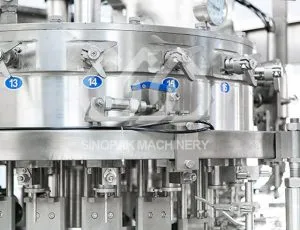
Modern machines integrate digital control systems, smart sensors, and data analytics to optimize every stage of the filling process. AI-assisted monitoring ensures precise gas balance, detects anomalies instantly, and helps improve overall production efficiency.
2. Energy and Gas Recovery Solutions
Sustainability is a growing focus in beverage production. Many new systems now include CO₂ recovery modules that capture and reuse gas, reducing waste and operational costs. Energy-efficient motors and optimized airflow also contribute to a greener manufacturing process.
3.Integrated Cleaning and Hygiene Systems
Hygiene is fundamental to beverage safety. Advanced filling machines feature automated cleaning-in-place (CIP) and sterilization systems that clean valves, tanks, and pipelines without manual intervention. This not only improves sanitation but also shortens downtime between production batches.
Conclusion
Managing pressure and gas in soft drink filling machines is a delicate balance between physics, automation, and hygiene. Through isobaric filling technology, CO₂ control, and intelligent monitoring, manufacturers can ensure that each bottle of soda retains its carbonation, taste, and quality. As technology continues to evolve, future filling systems will become even more efficient, sustainable, and precise—ensuring that every sip of your favorite soft drink is as refreshing as the first.
