

 Français
  Español
  Português
  العربية
 When it comes to oil packaging, selecting the right oil filling machine is a key decision that directly affects production efficiency, product quality, and operating costs. Whether you are filling edible oil, lubricants, or industrial oils, the wrong equipment can lead to inaccurate filling, material waste, and frequent downtime. With this in mind, this guide explains how to choose the most suitable machine based on real production needs.
Understanding Different Types of Oil Filling Machines
Before making a decision, it is important to understand the common types of oil filling machines available in the market. Each type is designed for specific applications and accuracy requirements.
Volumetric Filling Machine
In general, volumetric filling machines measure liquid based on volume. While they are simple to operate, their accuracy can be affected by temperature changes, especially for oils that expand or contract. Therefore, they are more suitable for low-precision applications.
Weighing Filling Machine
By comparison, weighing filling machines use load cells to control filling based on weight. This method offers higher accuracy and is less affected by environmental factors. As a result, it is widely used for large-volume oil filling where precision is critical.
Flow Meter Filling Machine
Meanwhile, flow meter filling machines rely on electronic flow meters to control filling volume. Because of their high precision and fast speed, they are considered one of the best solutions for modern automatic oil filling machines, especially for edible oil and lubricant packaging.
Piston Filling Machine
In addition, piston filling machines use a mechanical system to control liquid movement. They are suitable for higher viscosity oils, but compared with flow meter systems, their flexibility and scalability are more limited.

Matching Machine Type to Oil Characteristics
After understanding machine types, the next step is to match the equipment to the oil properties.
Viscosity Consideration
Different oils have different viscosity levels. For example, light oils can flow easily, while gear oils or industrial lubricants are much thicker. In practice, high-viscosity oils require pump-based or piston systems to maintain stable filling performance.
Sensitivity and Stability
At the same time, some oils are sensitive to shear force or temperature. In these cases, gentle filling technology and stable flow control are necessary to maintain product quality.
Production Capacity and Filling Speed
Beyond product characteristics, production capacity plays a major role in equipment selection.
Calculating Required Output
In real operations, filling speed directly impacts daily output. A low-speed machine may lead to longer production hours and higher labor costs. On the other hand, an oversized machine may increase investment without improving efficiency. Therefore, it is recommended to calculate the required bottles per hour based on daily production targets and working hours. This ensures the selected oil filling machine can meet demand without unnecessary cost.
Balancing Speed and Accuracy
At the same time, higher speed should not compromise accuracy. Advanced machines use servo control systems to maintain stable filling precision even at high speeds, which helps reduce product waste.
Automation Level: Manual vs Semi-Automatic vs Fully Automatic
Another key factor is the level of automation.
Semi-Automatic Oil Filling Machines
For small-scale production, semi-automatic machines are often sufficient. They require some manual operation but offer lower initial investment.
Fully Automatic Oil Filling Machines
However, for large-scale operations, fully automatic oil filling machines provide significant advantages. They support continuous production, reduce labor costs, and improve consistency across batches. As production grows, many manufacturers choose modular systems that allow future upgrades, making automation a long-term investment.
Filling Accuracy and Quality Control
In oil packaging, accuracy is not just about efficiency—it is also about compliance and cost control. Even a small deviation in filling volume can lead to product rejection or financial loss. For this reason, modern machines use technologies such as flow meters, load cells, and PLC control systems to ensure stable and precise filling. In addition, regular calibration and real-time monitoring systems help maintain consistent performance over time.
Compatibility with Containers and Packaging Formats
Another practical consideration is packaging flexibility. Oil products are packaged in a wide range of containers, from small bottles to large drums. Therefore, the oil filling machine should support different sizes and shapes with minimal adjustment time. Features such as adjustable nozzles, programmable height control, and quick-change systems can significantly improve production efficiency when handling multiple SKUs.
Build Quality, Safety, and Maintenance
While performance is important, machine durability and safety should not be overlooked.
Material and Construction
High-quality machines are typically made from stainless steel, ensuring corrosion resistance and long service life. This is especially important for food-grade oil applications.
Maintenance and Downtime
At the same time, easy maintenance design can reduce downtime. Features such as quick disassembly and clean-in-place (CIP) systems help improve operational efficiency.
Safety Features
For industrial oils, safety features such as explosion-proof components and pressure protection systems are also essential.
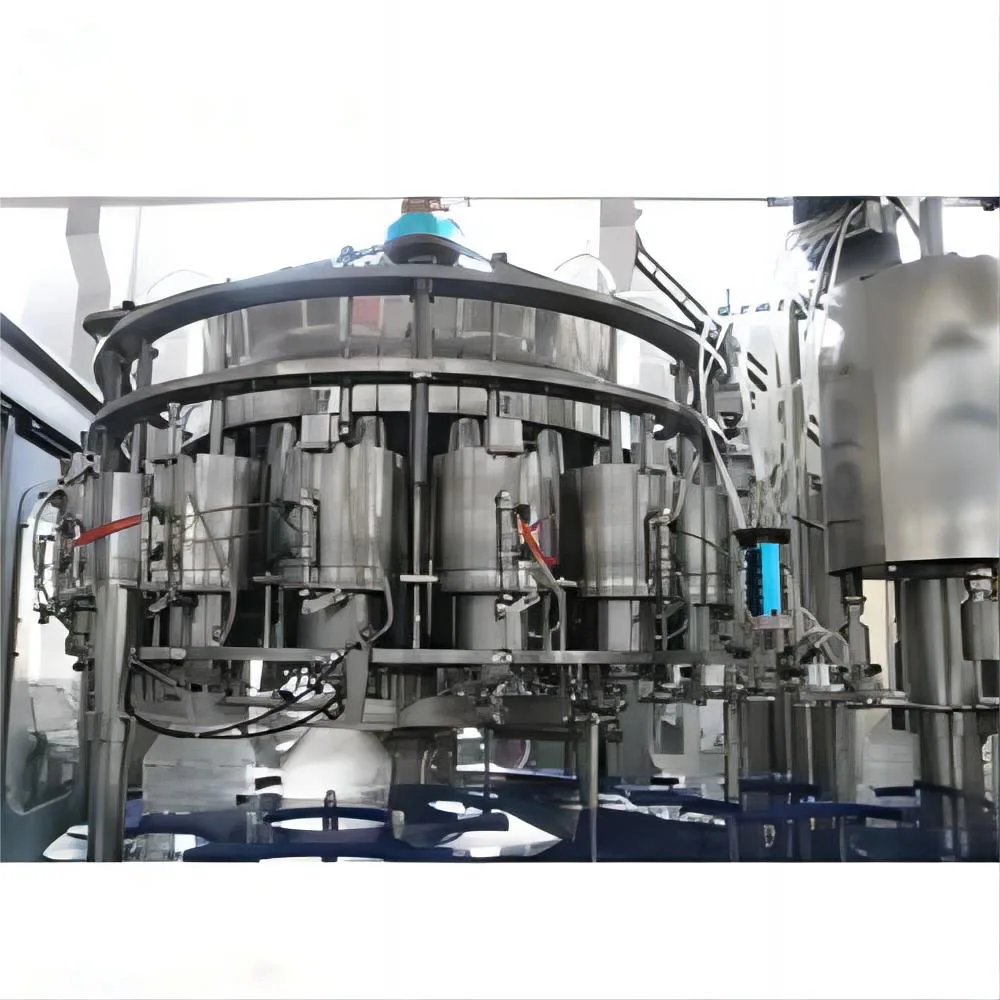
Choosing the Right Oil Filling Machine Supplier
Finally, selecting a reliable oil filling machine supplier is just as important as choosing the machine itself. A professional supplier can provide not only high-quality equipment but also technical support, installation guidance, and after-sales service. This ensures stable operation and long-term return on investment. It is recommended to evaluate suppliers based on their industry experience, customization capability, and service response time.
Conclusion: Make a Smart Investment for Long-Term Efficiency
In summary, choosing the right oil filling machine requires a clear understanding of product characteristics, production goals, and technical requirements. By carefully evaluating machine type, automation level, accuracy, and supplier support, manufacturers can build a reliable and efficient filling line.
If you are looking for a trusted oil filling machine supplier, SinoPAK Machinery offers advanced, reliable, and customized filling solutions for edible oil, lubricants, and industrial applications. Contact SinoPAK Machinery today to get expert advice and find the best solution for your production needs.
