

 Français
  Español
  Português
  العربية
 Clean water is essential for public health, industrial production, and environmental protection. However, water from natural sources or urban use is not safe on its own. This is why water treatment plants play a critical role. To clearly understand how water treatment plants clean water, it is helpful to look at the full process step by step and see how different systems work together to remove pollutants and ensure safety.
Understanding the Two Main Types of Water Treatment Plants
Before diving into the process, it is important to first distinguish between the two main types of water treatment plants. Although their goals are different, both are designed to protect people and the environment.
On one hand, drinking water treatment plants treat water from rivers, lakes, reservoirs, or underground sources. Their main purpose is to produce water that is safe for human consumption. On the other hand, wastewater treatment plants clean used water from homes, businesses, and industries so it can be safely discharged or reused. With this distinction in mind, we can now examine how each system works.
Wastewater Treatment Process: From Sewage to Safe Discharge
To begin with, wastewater treatment focuses on removing physical, chemical, and biological contaminants before water is released back into nature.
Pretreatment and screening is always the first step. Large bar screens are placed at the plant inlet to catch bulky items such as plastic, wood, and trash. This step is essential because it prevents damage to pumps and downstream equipment.
Following this, the water moves into grit removal and aeration stages. Grit chambers remove smaller particles like sand and gravel that can cause wear on machinery. At the same time, aeration introduces oxygen into the water, helping to break down organic matter and separate it from remaining solids.
Next comes primary clarification, where the wastewater enters a settling tank. Here, heavy organic materials sink to the bottom as sludge, while lighter materials such as oils and grease float to the surface as scum. Both are removed and treated separately, improving the overall efficiency of the process.
After clarification, the water often goes through secondary filtration, usually using sand or carbon media. This step further reduces fine particles, bacteria, and odors, making the water much cleaner.
Finally, disinfection ensures that harmful microorganisms are controlled. Common methods include chlorine treatment, ozone, and ultraviolet (UV) light. Once disinfected, the treated water—now called effluent—can be safely released into rivers or lakes, or reused where regulations allow.
Drinking Water Treatment Process: Making Water Safe to Use
While wastewater treatment focuses on safe discharge, drinking water treatment aims to produce water that meets strict health standards.
The process begins with coagulation, where small amounts of chemicals such as aluminum or iron salts are added. These substances neutralize tiny particles so they can combine more easily.
After that, flocculation gently mixes the water, allowing the particles to form larger clumps called flocs. This step is important because larger particles are easier to remove.
During sedimentation, the flocs settle at the bottom of the tank under gravity. As a result, clearer water remains at the top.
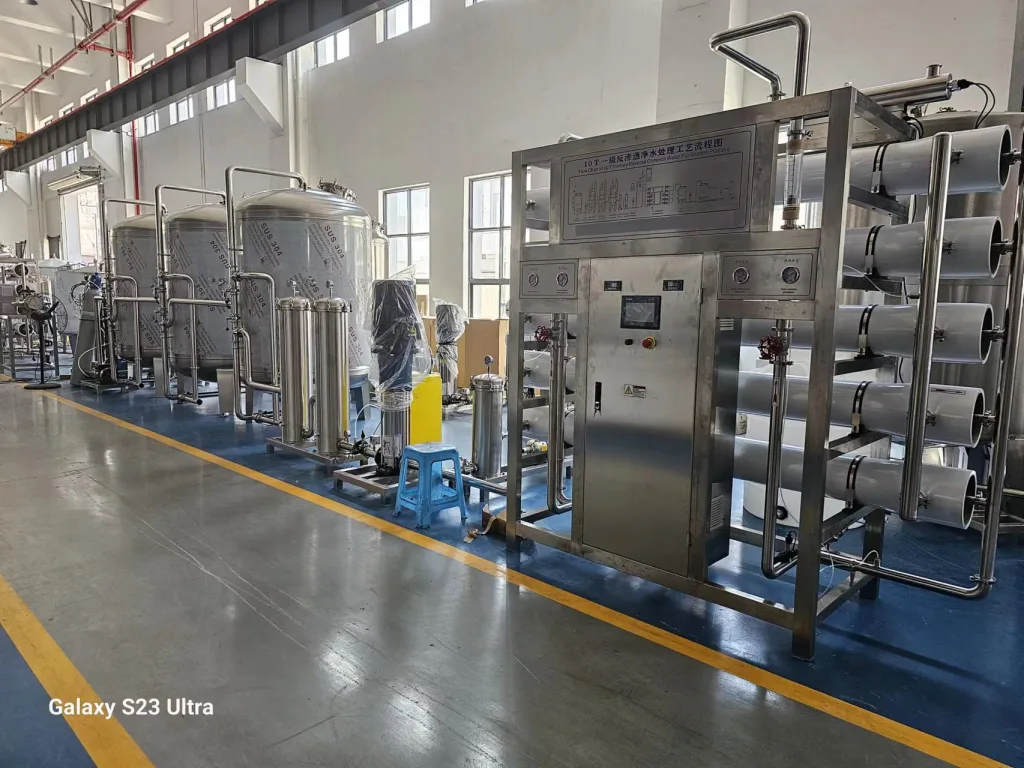
The next stage is filtration, which is one of the most critical steps in the clean water treatment process. Water passes through sand, activated carbon, or membrane filters to remove remaining particles, bacteria, and other contaminants. In some facilities, advanced methods such as ultrafiltration or reverse osmosis are used, especially when treating recycled or saltwater.
Lastly, final disinfection adds a small amount of disinfectant to kill any remaining bacteria and protect the water as it travels through pipelines to homes and businesses.
Key Differences Between Drinking Water and Wastewater Treatment
Although both processes aim to clean water, their goals and methods differ. Drinking water treatment focuses on producing safe, high-quality water for direct use, while wastewater treatment is designed to protect the environment by safely managing used water. Understanding these differences helps explain why treatment plants are designed with different technologies and standards.
Why Modern Water Treatment Systems Matter
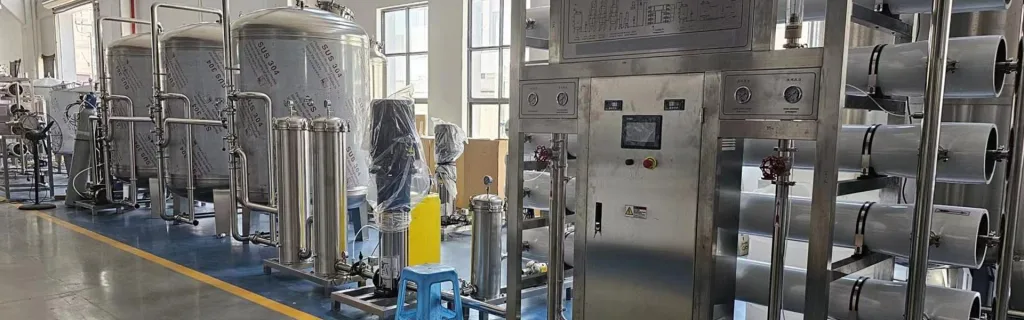
Today, water treatment plants are becoming more automated and efficient. Improved monitoring systems, better filtration technologies, and stricter environmental regulations all contribute to safer and more reliable water supplies. As water demand increases worldwide, effective water treatment systems remain essential for sustainable development.
Conclusion: Clean Water Is the Result of a Controlled Process
In summary, water treatment plants clean water through a carefully controlled, multi-step process. From screening and filtration to disinfection and monitoring, every stage plays an important role. Whether producing drinking water or treating wastewater, these systems ensure water is safe for people and the environment.
If you are looking for reliable solutions and professional support in water-related processing and packaging systems, SinoPAK Machinery offers practical expertise and proven equipment to support modern water treatment and filling operations. Contact SinoPAK Machinery to learn how the right technology can help improve efficiency and long-term performance.
