

 Français
  Español
  Português
  العربية
 In the beverage industry, ensuring the right level of carbonation in your product is essential. Carbonated drinks rely on dissolved CO₂ to provide their effervescence, flavor, and texture, but during the filling process, this vital gas can easily escape, leading to a less fizzy drink and a potential loss in quality. Managing CO₂ loss in the filling process is crucial for both product quality and cost control. In this article, we will explore the key factors contributing to CO₂ loss during filling and how modern filling machines are designed to minimize this issue.
Understanding the Causes of CO₂ Loss During the Filling Process
CO₂ loss in carbonated beverage filling machines primarily results from fluctuations in pressure, filling speed, and system inefficiencies. Pressure fluctuations during filling can cause CO₂ to escape from the liquid, leading to a loss of carbonation and a flat product. Similarly, if the filling speed is too fast or too slow, it can create turbulence or expose the beverage to air for too long, both of which contribute to CO₂ loss. Furthermore, poorly calibrated filling valves and an inadequate backpressure system can exacerbate the problem by failing to maintain stable conditions inside the bottle.
The Role of Pressure Control in Reducing CO₂ Loss
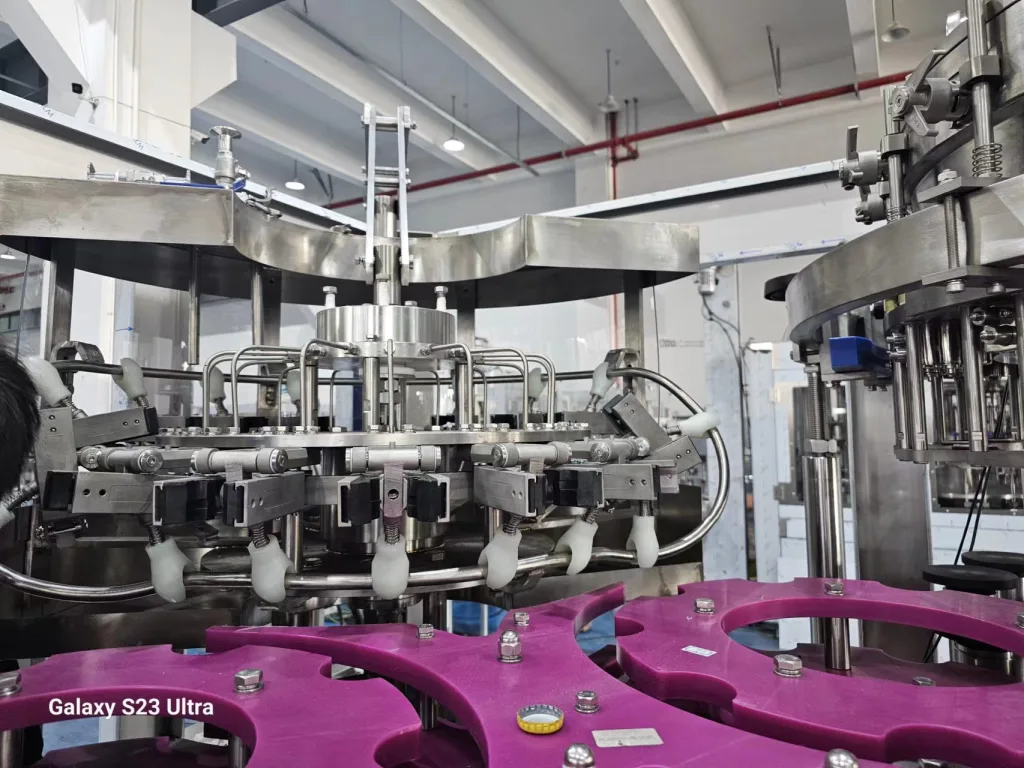
One of the most effective ways to prevent CO₂ loss is by implementing precision pressure control in the filling machine. Modern carbonated beverage filling machines are equipped with pressure sensors that constantly monitor the internal pressure of the bottles and the filling tanks. These sensors provide real-time data that allows the control system to make instant adjustments, ensuring the pressure remains constant throughout the process. Maintaining the correct pressure prevents CO₂ from escaping and ensures that the carbonation levels are consistent across all bottles.
Additionally, pressure regulators play a crucial role by ensuring that the CO₂ gas supply is delivered at the correct pressure. This helps prevent over-carbonation or under-carbonation, both of which can affect the beverage’s taste and texture. Accurate pressure regulation not only preserves the drink’s effervescence but also reduces CO₂ wastage, improving both product quality and production efficiency.
Backpressure Systems: A Key Component in CO₂ Retention
Another essential aspect of preventing CO₂ loss in carbonated beverages is the backpressure system. This system applies counter-pressure to the bottle during the filling process, ensuring that the internal pressure remains stable and prevents foaming or spillage. By controlling the backpressure, the machine can maintain the CO₂ in the liquid and prevent it from escaping prematurely. A well-calibrated backpressure system is crucial, especially when filling carbonated drinks at high speeds, where rapid pressure changes can lead to significant CO₂ loss if not managed properly.
Filling Valves: Precision for Maintaining CO₂ Levels
Filling valves are at the heart of any filling machine, directly controlling the flow of the beverage into the bottles. High-quality filling valves are designed to open and close with precision, ensuring that the beverage is filled at the correct rate without causing turbulence. When filling valves are well-maintained and calibrated, they ensure a smooth, consistent flow, which helps minimize the exposure of the liquid to the air and prevents the escape of CO₂. Machines with advanced valve systems, such as servo-driven filling valves, offer highly accurate timing adjustments, further reducing the risk of CO₂ loss during the filling process.
Advanced Technologies to Maintain CO₂ Stability
In addition to precision pressure control and high-quality valves, modern carbonated beverage filling machines integrate advanced technologies to ensure CO₂ stability. Programmable logic controllers (PLCs) are used to monitor and control all aspects of the filling process, including pressure, flow rate, and temperature. These controllers adjust parameters based on real-time feedback from the sensors, ensuring that each bottle receives the correct amount of carbonation, regardless of external factors like temperature changes.
Automatic pressure compensation systems are another technological advancement that helps maintain consistent carbonation levels. These systems automatically adjust the pressure within the filling tank based on environmental factors, such as temperature fluctuations. By compensating for these changes in real-time, the machine ensures that the CO₂ remains dissolved in the beverage and the product quality is not compromised.
Practical Tips for Beverage Manufacturers
For beverage manufacturers, preventing CO₂ loss starts with selecting the right equipment and maintaining it properly. Regular calibration of pressure sensors and filling valves is crucial to ensure the system operates at peak efficiency. In addition, controlling the filling temperature and using a consistent filling speed can significantly reduce CO₂ loss. Ensuring that your filling machine has a robust backpressure system and high-precision valves is also key to maintaining product consistency and carbonation levels.
How to Choose a Carbonated Beverage Filling Machine That Prevents CO₂ Loss
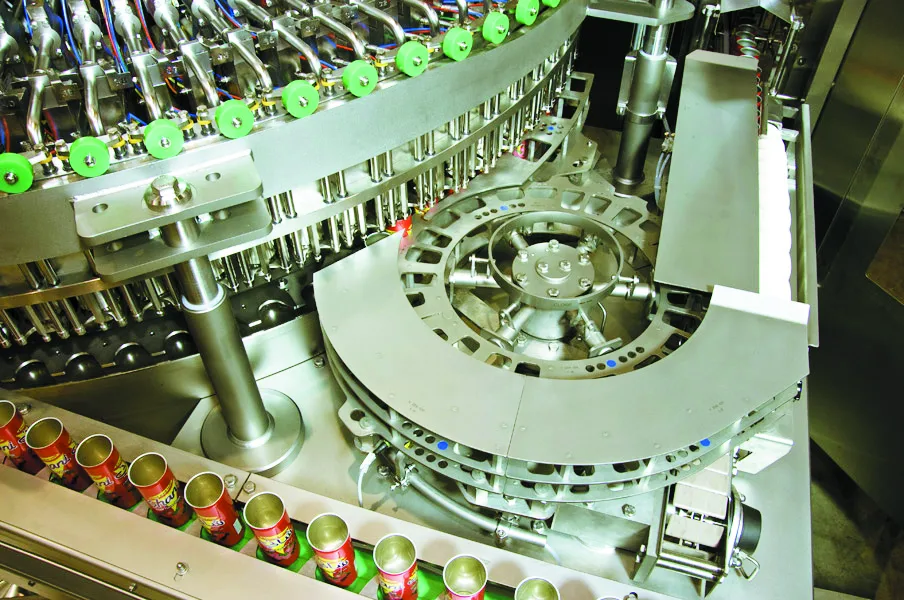
When selecting a filling machine for carbonated beverages, there are several features to look for to minimize CO₂ loss. First and foremost, choose a machine with advanced pressure control capabilities, including pressure sensors and regulators that ensure precise CO₂ management. A reliable backpressure system is also essential to maintain stable pressure inside the bottle during filling. Additionally, look for machines equipped with high-precision filling valves and automatic pressure compensation systems for real-time adjustments based on environmental changes.
Conclusion
By understanding the key factors that contribute to CO₂ loss and implementing the right technologies, beverage manufacturers can significantly improve the quality and consistency of their carbonated drinks. Precision pressure control, efficient backpressure systems, and advanced filling valve technologies all play crucial roles in minimizing CO₂ loss during the filling process. With the right equipment, manufacturers can not only reduce CO₂ wastage but also enhance the overall product quality, helping to build consumer trust and improve brand reputation.
At SinoPAK Machinery, we specialize in providing high-quality carbonated beverage filling machines designed to ensure precise CO₂ management. Our advanced filling systems are equipped with the latest pressure control technologies, backpressure systems, and high-precision valves to help you produce carbonated beverages that meet the highest quality standards. Contact us today to learn more about how our filling machines can optimize your production line.
