

 Français
  Español
  Português
  العربية
 As consumer demand for juice, flavored tea, and functional beverages continues to grow globally, manufacturers are under increasing pressure to ensure production efficiency, product safety, and packaging precision. One of the most critical components of a successful beverage bottling line is the filling machine—especially for thermally sensitive liquids like juice and tea.
This guide explores the different types of juice/tea filling machines, their specific applications, working principles, and advantages—helping you make the right investment for your beverage production needs.
1. Why Beverage-Specific Filling Machines Matter
Unlike pure water, juice and tea beverages often contain:
Acidity
Sugar content
Heat sensitivity
Preservatives or pulp particles
These characteristics require specialized equipment that can handle hot filling, avoid oxidation, prevent contamination, and preserve the beverage’s taste and shelf life.

2. Classification of Juice/Tea Filling Machines
Juice and tea filling machines are generally categorized based on filling temperature, technology, and degree of automation.
2.1 Hot Filling Machines
What It Is:
Hot filling machines are designed to fill beverages at elevated temperatures—typically between 85°C to 92°C—which helps sterilize both the liquid and the bottle during the process.
Advantages:
Extends product shelf life without preservatives
Suitable for acidic juices like orange, mango, and lemon
Compatible with PET bottles that withstand heat
Considerations:
Requires cooling tunnel or water spray after filling
Not suitable for heat-sensitive packaging or materials
Best For:
Fruit juices
Sweetened iced teas
Vitamin or nutrient-enriched drinks
2.2 Aseptic Cold Filling Machines
What It Is:
Aseptic filling machines fill beverages at room or low temperature in a sterile environment using cleanroom technology and sterilized packaging.
Advantages:
Maintains original taste and nutrients
Reduces need for preservatives
Allows use of lightweight bottles
Considerations:
Higher initial investment
Requires advanced cleaning and sterilization protocols
Best For:
Functional teas
Cold brew tea
Juices with heat-sensitive ingredients
2.3 Gravity Filling Machines (for Clear Beverages)
What It Is:
These machines rely on gravity to fill liquid into bottles and are most effective for non-viscous and non-carbonated liquids.
Advantages:
Simple structure, low cost
High fill accuracy for clear tea and light juices
Ideal for medium production volumes
Considerations:
Not suitable for beverages with pulp or thicker viscosity
Best For:
Green tea
Herbal tea
Clear apple or grape juice
2.4 Piston Filling Machines (for Pulpy Juices)
What It Is:
Uses pistons to push liquid into bottles, which makes it ideal for high-viscosity beverages or drinks with solid content (like pulp).
Advantages:
Handles thick liquids and particulates
Accurate volume control
Ideal for glass or PET bottles
Considerations:
Slower filling speed compared to gravity systems
Requires more cleaning due to pulp residue
Best For:
Mango juice with pulp
Aloe vera drinks
Mixed fruit purees
2.5 Vacuum Filling Machines
What It Is:
Creates a vacuum in the bottle to suck in the liquid. Often used in glass bottling of premium teas or juices.
Advantages:
High fill level accuracy
Prevents oxidation of sensitive ingredients
Ideal for glass containers
Best For:
Premium herbal infusions
Glass-bottled iced teas
Cold-pressed juice for high-end markets
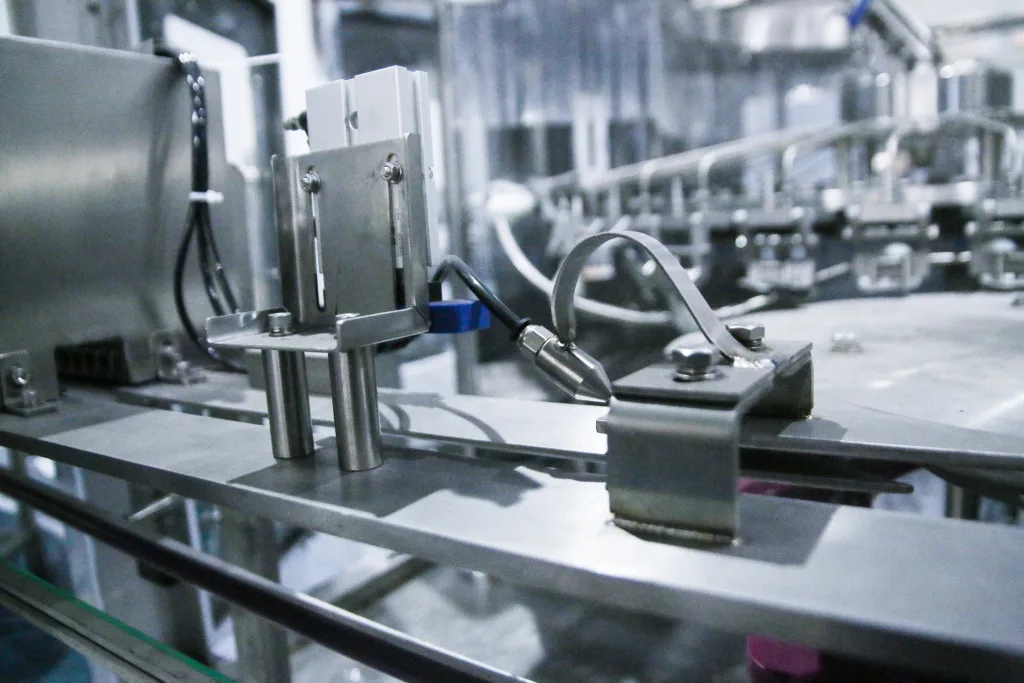
3. Automation Options
| Machine Type | Best For | Output Speed | Automation Level |
|---|---|---|---|
| Manual/Semi-Auto Filling | Small-scale or pilot beverage plants | 300–1,000 BPH | Low to Medium |
| Fully Automatic 3-in-1 Line | Commercial juice or tea factories | 2,000–24,000+ BPH | High |
| Aseptic UHT + Filling Line | Premium or export-grade beverages | 3,000–15,000 BPH | Very High (cleanroom) |
4. Important Add-ons to Consider
To build a complete and efficient production line, consider integrating:
UHT sterilization system (for hot filling)
Clean-in-place (CIP) system
Cap sterilizer
Cooling tunnel
Labeling & shrink packaging system
5. How to Choose the Right Juice/Tea Filling Machine
Before selecting a machine, evaluate the following:
Product Type:
Still tea or juice
Pulp content or not
Sugar and acidity level
Packaging Type:
PET vs. glass
Bottle size and shape
Expected Capacity:
Low, medium, or high-volume production
Budget and ROI:
Initial investment vs. long-term cost saving
Hygiene & Shelf Life Requirements:
Export-grade needs
Regulatory compliance in target markets
Need guidance? SinoPAK’s team offers technical consultation, sample testing, and plant layout planning to help you select the right system.
6. Why Choose SinoPAK Machinery for Your Juice/Tea Bottling Project?
At Jiangsu SinoPAK Machinery Co., Ltd., we specialize in designing customized juice and tea filling lines for global clients. From small businesses to large beverage factories, we’ve delivered solutions in more than 50 countries.
Our Competitive Advantages:
Hot fill, cold fill, and aseptic UHT systems available
Support for multi-bottle formats and cap types
Integrated CIP and sterilization systems
Smart PLC + touchscreen control systems
Turnkey service: from water treatment to final packaging
On-site and remote training & after-sales support
7. Final Thoughts
Choosing the right type of juice/tea filling machine is key to ensuring product quality, maximizing efficiency, and scaling your beverage production. From gravity and hot fill systems to advanced aseptic solutions, understanding your product’s requirements will lead to smarter investment decisions.
Jiangsu SinoPAK Machinery Co., Ltd. offers a full range of juice and tea filling machines that are efficient, hygienic, and tailored to your unique production goals.
Get in touch today for a free equipment proposal and customized factory layout.
