

 Français
  Español
  Português
  العربية
 1. Introduction
Water bottling plants operate under continuous production pressure. Even minor mechanical failures can result in costly downtime, product waste, and missed delivery deadlines.
However, most equipment failures are not sudden — they are the result of inadequate preventive maintenance.
As a professional manufacturer of complete water filling lines, we have supported bottling factories worldwide with technical upgrades, spare parts supply, and long-term service guidance. In this expert maintenance guide, we share practical strategies for effective water filling equipment maintenance, structured to improve performance, reduce downtime, and extend overall equipment longevity.
2. Why Proper Maintenance Matters
A well-maintained water filling line delivers:
Stable filling accuracy
Lower energy consumption
Reduced spare part costs
Fewer emergency breakdowns
Longer operational lifespan
Neglecting proper bottling machine care can reduce equipment lifespan by 30–40% and significantly increase operational costs.
3. Daily Maintenance Checklist
Daily inspection is the foundation of effective water filling equipment maintenance.
3.1 Visual Inspection
Check for leakage at filling valves
Inspect pneumatic lines for air leaks
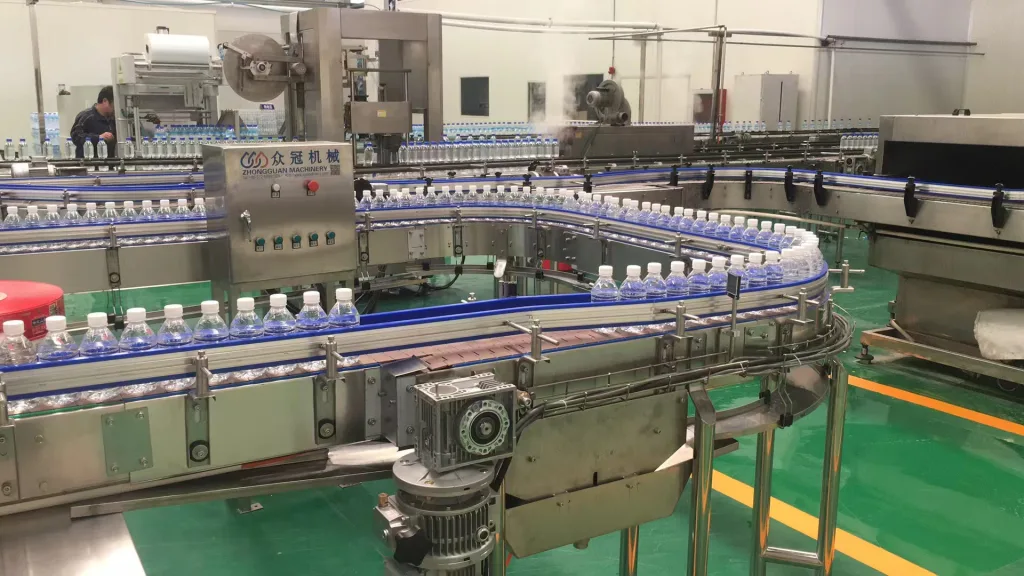
Verify bottle alignment on conveyors
3.2 Cleaning & Hygiene
Clean external surfaces
Ensure CIP system runs correctly
Remove residual water buildup
3.3 Lubrication Check
Confirm lubrication points are functioning
Inspect conveyor chains and bearings
3.4 Air Pressure Monitoring
Ensure stable compressed air supply
Drain moisture from air filters
Daily checks prevent minor issues from developing into major failures.
4. Weekly Maintenance Tasks
Weekly routines focus on deeper mechanical verification.
4.1 Inspect Sealing Components
Examine O-rings and sealing gaskets
Replace worn parts before leakage occurs
4.2 Calibrate Filling Accuracy
Verify liquid level consistency
Adjust filling valves if necessary
4.3 Conveyor System Alignment
Check chain tension
Inspect sprocket wear
4.4 Electrical System Inspection
Check sensors and limit switches
Tighten terminal connections
Consistent weekly maintenance improves long-term equipment longevity.
5. Monthly Preventive Maintenance
Monthly inspections should be more comprehensive and systematic.
5.1 Deep Cleaning of Filling Valves
Product residue accumulation can affect filling precision. Disassemble and thoroughly clean valves according to manufacturer guidelines.
5.2 Motor & Gearbox Inspection
Check temperature during operation
Monitor abnormal noise
Verify oil level and lubrication quality
5.3 Structural Stability Check
Inspect frame bolts
Ensure no vibration loosening
5.4 Water Treatment System Review
Upstream water system stability directly affects the filling section. Check filters, ozone systems, and UV sterilizers.
6. Annual Overhaul Recommendations
To maximize the lifespan of your bottling line:
Replace critical sealing kits
Inspect main bearings
Conduct full system recalibration
Upgrade outdated PLC software if necessary
A scheduled annual overhaul significantly extends machine life beyond 10–15 years.
7. Common Causes of Premature Equipment Failure
From our global service experience, the most common issues include:
- Irregular lubrication
- Using non-original spare parts
- Ignoring micro-leakage
- Poor compressed air quality
- Inadequate operator training
Professional water filling equipment maintenance requires both technical planning and disciplined execution.
8. Best Practices to Extend Equipment Longevity
8.1 Maintain Stable Operating Speed
Running equipment beyond designed capacity accelerates wear. Operate within recommended BPH ranges.
8.2 Keep Critical Spare Parts in Stock
Maintain inventory of:
Sealing rings
Springs
Bearings
Sensors
Filling valve kits
Quick replacement reduces downtime.
8.3 Train Operators Regularly
Proper bottling machine care begins with trained personnel. Operators should understand:
Early warning signs
Proper cleaning methods
Safe operation protocols
8.4 Use Integrated Line Design
Machines from multiple suppliers often lack synchronization. Integrated production lines reduce mechanical stress and improve system harmony.
9. Digital Monitoring for Modern Water Filling Lines
Advanced water filling systems now include:
Real-time production monitoring
Fault detection alerts
Predictive maintenance tracking
Data-driven performance analysis
Smart monitoring further enhances production efficiency and long-term reliability.
10. When to Upgrade Instead of Repair
If your water filling equipment experiences:
Frequent breakdowns
Rising maintenance costs
Declining output
High spare part consumption
It may be more cost-effective to upgrade key modules rather than continue reactive repairs.
An expert technical audit can determine the most economical path forward.
11. Real-World Impact of Structured Maintenance
Factories that implement systematic maintenance programs typically achieve:
20–30% reduction in downtime
15–25% lower spare parts cost
Extended equipment lifespan by 5+ years
Improved filling precision
Long-term equipment longevity directly improves return on investment.
12. Partnering with an Experienced Manufacturer
Effective maintenance begins with high-quality equipment and long-term technical support.
As a professional filling line manufacturer, we provide:
Customized water bottling solutions
Preventive maintenance guidelines
Spare parts supply
Remote technical assistance
On-site commissioning support
Our goal is not only to supply equipment — but to ensure stable operation throughout its lifecycle.
13. Conclusion
Water filling equipment is a long-term investment. Proper water filling equipment maintenance and disciplined bottling machine care are essential to maximizing productivity and extending operational lifespan.
By implementing structured preventive maintenance, monitoring performance indicators, and partnering with experienced equipment suppliers, manufacturers can significantly improve equipment longevity and reduce total ownership cost.
If you are looking to optimize your current production line or require technical support for your water filling system, our engineering team is ready to assist.
14. Contact Us for Technical Support
Need maintenance guidance or spare parts support?
Contact us today for:
Technical consultation
Maintenance planning advice
Spare parts quotation
Equipment upgrade evaluation
