

 Français
  Español
  Português
  العربية
 Filling machines are integral to the packaging process in various industries, including food and beverage, pharmaceuticals, cosmetics, and chemicals. These machines are designed to fill containers such as bottles, jars, and cans with different types of products—liquids, powders, pastes, and granules—ensuring accuracy, efficiency, and consistency in production. This article explores the intricacies of filling machines, including their types, working principles, maintenance, and customization options, providing a comprehensive guide for businesses looking to enhance their packaging processes.
What is a Filling Machine?
A filling machine is a piece of equipment used to dispense a specific quantity of a product into a container. The main objective is to automate the filling process to ensure precision and speed while minimizing human intervention. By using advanced technology and engineering, filling machines help businesses achieve higher productivity levels and maintain product quality.
Key Features of Filling Machines
- Automation: Most modern filling machines are designed for high automation, reducing the need for manual labor and increasing operational efficiency. Automated machines can fill containers at high speeds, significantly enhancing production rates.
- Precision: Filling machines ensure that each container receives the exact amount of product. This accuracy helps minimize waste and ensures compliance with regulatory standards.
- Versatility: Filling machines can accommodate various container shapes and sizes, making them suitable for different products across multiple industries.
- Integration: Many filling machines are designed to work seamlessly with other equipment in the production line, such as labeling, capping, and packaging machines.
Why You Need Filling Machines
In today’s competitive market, businesses face increasing pressure to produce high-quality products quickly and efficiently. Filling machines offer several advantages that are crucial for meeting these demands:
Increased Efficiency
Filling machines significantly speed up the production process. By automating the filling stage, companies can fill hundreds to thousands of containers per hour, depending on the machine’s capacity. This efficiency is vital for businesses looking to scale operations and meet market demands.
Improved Accuracy
Manual filling processes are prone to human error, leading to inconsistencies in product quantities. Filling machines, however, use advanced technology to ensure precise measurements, resulting in uniformity across production batches. This accuracy is especially important in industries like pharmaceuticals, where precise dosages are critical.
Cost Reduction
By reducing labor costs and minimizing product waste, filling machines can lead to significant cost savings over time. Automated machines also reduce the risk of product loss due to spillage or overfilling, contributing to overall profitability.
Enhanced Quality Control
Filling machines often incorporate built-in quality control measures, such as sensors and feedback systems, to ensure that each container is filled correctly. This capability helps maintain high-quality standards and minimizes the risk of product recalls due to packaging errors.
How Do Filling Machines Work?
Filling machines operate through a series of mechanical and electronic processes. Here’s a detailed breakdown of the typical operation cycle of a filling machine:
- Preparation: Containers are transported to the filling station via a conveyor system. The containers may undergo pre-treatment, such as cleaning and sterilization, to ensure they are ready for filling.
- Filling Process: Depending on the type of filling machine, the filling process can vary:
- Liquid Filling: Liquid fillers can operate based on gravity, pressure, or vacuum systems. The machine controls the flow of liquid into the container, stopping at the preset fill level.
- Powder Filling: Powder fillers typically use an auger system or volumetric filling mechanisms to dispense the desired amount of powder into the container.
- Paste Filling: For thicker products, piston fillers or diaphragm fillers are employed. These systems use a piston mechanism to push the product into the container.
- Capping and Labeling: After filling, the containers move to capping and labeling stations, where they are sealed and labeled according to specifications.
- Quality Assurance: Throughout the process, various sensors and monitoring systems check for filling accuracy, proper sealing, and label alignment to ensure quality standards are met.
- Final Inspection and Packaging: Once filled and labeled, the containers are inspected for defects and packaged for distribution.
Types of Filling Machines
Filling machines can be categorized based on the product they handle, the technology they use, and their application. Understanding these types helps businesses select the right machine for their specific needs.
1. Liquid Filling Machines
Liquid filling machines are designed for a wide range of liquid products, including water, juices, oils, and chemicals. They can be further divided into:
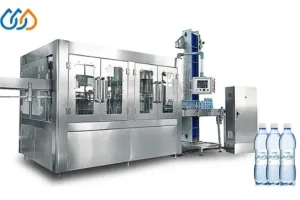
- Gravity Fillers: Use the force of gravity to fill containers. Ideal for thin liquids and low-viscosity products.
- Pressure Fillers: Utilize pressure to dispense liquids, suitable for carbonated beverages and thicker liquids.
- Vacuum Fillers: Employ vacuum pressure to draw liquid into containers, commonly used for sensitive products to prevent oxidation.
2. Powder Filling Machines
Powder filling machines are specifically designed for dry products like flour, sugar, and spices. Key types include:
- Auger Fillers: Use a rotating screw to transport and dispense powder into containers, providing accurate measurements.
- Volumetric Fillers: Measure and dispense a set volume of powder into containers using specific chamber sizes.
3. Paste Filling Machines
These machines handle thicker products, such as sauces and creams. They typically use:
- Piston Fillers: Utilize a piston mechanism to push the product into containers, ensuring accurate fills.
- Diaphragm Fillers: Use a flexible diaphragm to dispense products without contamination, ideal for sensitive formulations.
4. Granule Filling Machines
Granule filling machines are designed for solid products like rice and coffee beans. They often employ:
- Vibratory Feeders: Use vibration to move granules into containers efficiently.
- Multi-Head Weighers: Weigh multiple portions simultaneously to achieve high-speed filling.
Differences Between Types of Filling Machines
The choice of filling machine depends on several factors, including:
- Product Characteristics: Different machines are suited for different product viscosities and consistencies. For example, liquid fillers are not appropriate for powders, and vice versa.
- Filling Mechanism: Each type of filling machine uses a distinct mechanism for dispensing products. Understanding these differences is crucial for selecting the right machine.
- Production Environment: Some machines are designed for cleanroom environments, while others can handle more rugged conditions. Businesses must consider their operational environment when choosing equipment.
How to Choose the Right Filling Machine
Selecting the right filling machine for your production needs involves careful consideration of various factors:
1. Product Type
Understanding the product’s properties, such as viscosity, temperature, and chemical composition, is essential. This knowledge helps determine which type of filling machine is best suited for the application.
2. Production Volume
Assessing the expected production volume is crucial in selecting a machine that can meet output requirements. Machines with higher filling speeds are necessary for businesses with significant production demands.
3. Container Specifications
Consider the types of containers that will be used, including their shapes, sizes, and materials. Ensure that the filling machine can accommodate these specifications.
4. Budget
Factor in both the initial investment and ongoing maintenance costs. While high-quality machines may come with a higher price tag, they can lead to long-term savings through increased efficiency and reduced waste.
5. Customization Options
If production needs change over time, choosing a machine that allows for easy upgrades or modifications can be beneficial. Customization can include adjustable filling speeds, different nozzle sizes, and additional automation features.
Maintenance of Filling Machines and Production Lines
Regular maintenance of filling machines is vital for ensuring optimal performance and longevity. Here are some essential maintenance practices:
1. Routine Cleaning
Cleaning machines regularly helps prevent contamination and buildup of materials. Implementing a cleaning schedule can help maintain hygiene standards, especially in food and pharmaceutical industries.
2. Regular Inspections
Conducting routine inspections on mechanical parts, sensors, and controls can identify potential issues before they escalate. This proactive approach helps maintain machine efficiency and reduces downtime.
3. Lubrication
Proper lubrication of moving parts is crucial for reducing wear and tear. Ensure that lubrication is performed according to the manufacturer’s recommendations.
4. Calibration
Periodically calibrating machines ensures accurate filling volumes and consistency. This practice is especially important for industries that require precise measurements, such as pharmaceuticals.
5. Staff Training
Training employees on proper machine operation and maintenance is essential for maximizing efficiency and minimizing errors. A well-trained workforce can help identify and address issues promptly.
Customization Options
Many manufacturers offer customization options for filling machines to meet specific production requirements. Custom features can include:
1. Variable Filling Speeds
Machines can be equipped with adjustable filling speeds to accommodate different product viscosities and production demands.
2. Multi-Head Configurations
For increased output, machines can be designed with multiple filling heads, allowing simultaneous filling of several containers.
3. Specialized Nozzles
Custom nozzles can be created for unique products or containers, ensuring optimal filling performance.
4. Advanced Control Systems
Implementing advanced control systems allows for real-time monitoring and adjustments, enhancing operational efficiency and product quality.
Conclusion
Filling machines are vital components of the modern packaging industry, enhancing efficiency, accuracy, and flexibility. By understanding the types of filling machines available, their operational mechanics, and maintenance practices, businesses can make informed decisions that optimize their production lines and meet market demands effectively. Customization options further enable companies to adapt to changing needs, ensuring they remain competitive in an ever-evolving landscape. If you’re considering investing in a filling machine, our company offers tailored solutions and comprehensive support to help you choose the right equipment for your needs, ensuring your operations are efficient and your products are of the highest quality.
