

 Français
  Español
  Português
  العربية
 A beer filling line makes packaging beer easier and faster. It moves beer from storage tanks into bottles, cans, or kegs. The system is automated to reduce human touch and keep it clean. This process helps keep the beer fresh and fizzy. Using modern machines, production becomes quicker and more reliable. Companies like SinoPAK make strong machines to help with this. They provide tools to improve speed and keep customers happy.
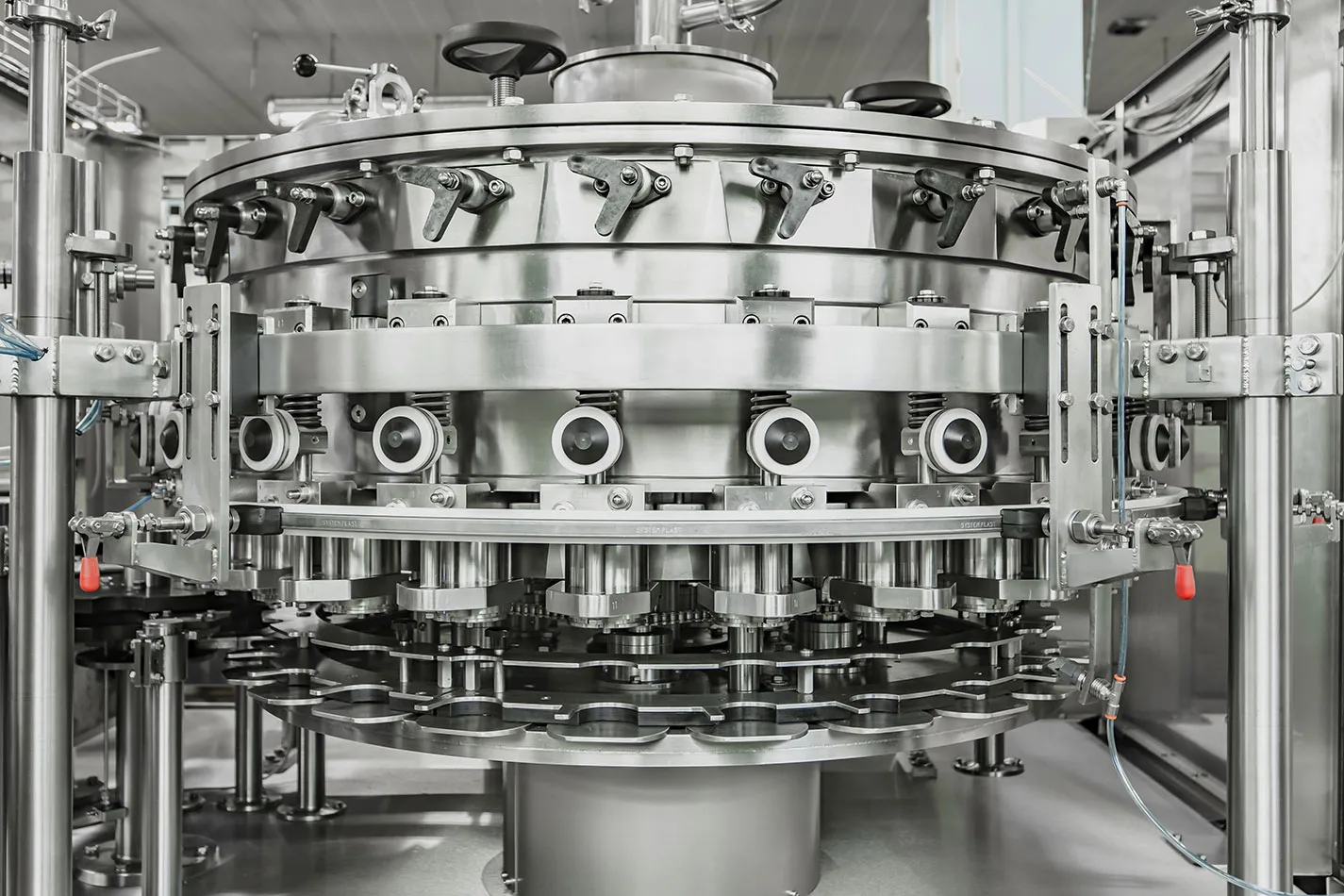
What Is a Beer Filling Line?
Definition and Purpose
A beer filling line is a system for packaging beer quickly. It moves beer from storage tanks into bottles, cans, or kegs. This process keeps the beer fresh and tasting good. The main goal is to automate packaging, saving time and effort. Using this equipment helps you get consistent results and stay clean.
The system also lowers the chance of contamination. It carefully handles beer to keep its taste and bubbles. Whether you own a small brewery or a big one, this equipment helps meet production needs. Picking the right beer filling equipment is key to running your brewery smoothly.
Key Components of Beer Filling Equipment
Beer filling equipment has several important parts that work together. Each part has a job, and knowing them helps you choose the right tools.
- Filling Machine: This part moves beer into containers. Modern machines work with different container types, reducing waste.
- Conveyor System: This moves containers through each step of the process. It keeps things running smoothly and saves time.
- Cleaning and Sanitizing Unit: Containers are cleaned before filling. This keeps bottles, cans, or kegs safe and clean.
- Sealing and Capping Unit: After filling, this seals containers to stop leaks. It keeps the beer fresh and fizzy.
- Labeling and Packaging Unit: This adds labels and prepares containers for shipping. It makes your product look neat and professional.
- Control Panel: This lets you watch and adjust the equipment. It shows live data to improve the process.
Each part is important in a beer filling line. When choosing equipment, think about your brewery size and container type. Good equipment ensures your system works well for a long time.
How Does the Filling Process Work?
Cleaning and Sanitizing Containers
Before filling, containers must be clean and sanitized. This step keeps your beer safe and tasty. Dirty containers can spoil the beer and ruin its flavor. Most machines have a cleaning unit to do this job well.
Cleaning usually means rinsing containers with water or cleaner. Some systems use strong jets to remove dirt or leftovers. After cleaning, containers are sanitized with food-safe chemicals. This kills germs and keeps the beer safe. Clean containers are key to good beer, so never skip this step.
Filling the Containers with Beer
After cleaning, containers are filled with beer. Modern machines make this fast and accurate. Beer moves from storage tanks into containers without touching air. This stops oxidation, which can change the taste.
The machine measures the right amount of beer for each container. This avoids waste and keeps things consistent. Some machines use special filling methods to keep the beer fizzy. This helps the beer stay fresh and bubbly. Good filling makes sure every container is high quality.
Sealing and Capping
Once filled, containers are sealed to keep the beer fresh. Machines handle this step quickly and securely. Bottles get caps, and cans get lids sealed tight. This stops leaks and protects the beer during shipping.
Sealing also keeps out dirt and germs. A sealed container ensures your beer stays perfect for customers. This step is important for keeping your brewery’s reputation strong.
Labeling and Packaging
Labeling and packaging are the last steps in beer production. These steps prepare your beer for selling and shipping. Good labeling and packaging make your beer look neat and stay safe during transport.
Labeling Your Containers
Labels are more than decorations. They tell buyers what’s in the container. A label shows the beer’s name, type, and alcohol level. It also helps your brand stand out in stores.
Modern machines add labels quickly and precisely. You can adjust them for different container sizes and shapes. This makes sure all bottles, cans, or kegs look the same and attractive.
Tip: Use strong labels that don’t peel off easily. This keeps your product looking good in cold storage or while being shipped.
Packaging for Delivery
Packaging keeps your beer safe during shipping. It protects containers from breaking and makes them easier to move. Boxes, crates, or shrink wraps should be strong and dependable.
Automatic machines make packaging faster and more organized. They arrange containers neatly and secure them for transport. Some systems even print barcodes for tracking. This helps with inventory and smooth delivery to customers.
Packaging also helps with branding. A nice package leaves a good impression and builds customer trust. Choose materials that are both useful and look good.
Note: Good packaging saves time and money. It also reduces the chance of damaged products, keeping customers happy.
Types of Beer Filling Machines
When picking a beer filling machine, there are three main types. Each type fits different brewery sizes and needs. Let’s look at these options to help you choose.
Manual Beer Filling Machines
Manual machines are simple and cost less. You control them by hand, so they’re great for small breweries or home use. These machines are good for filling fewer bottles or cans.
A small bottle-filling machine is one example. It lets you manage the process yourself, which is great for craft beer. But manual machines take more time and effort. They work best for breweries focused on quality, not quantity.
Tip: If you’re new or make small batches, manual machines save money and give you control.
Semi-Automatic Beer Filling Machines
Semi-automatic machines mix manual work with automation. They do some tasks, like filling and sealing, on their own. You handle the rest. These machines balance speed and control.
Craft beer machines often fall into this group. They suit medium breweries needing more production but still want a personal touch. Semi-automatic machines work with both bottles and cans, making them flexible.
These machines are quicker than manual ones but need some watching. They’re a good pick if you want to grow without fully automating.
Fully Automatic Beer Filling Machines
Fully automatic machines are the most advanced. They do everything, from cleaning to labeling. These machines are perfect for big breweries with high demands.
Automatic machines, like three-in-one models, make work easier. They cut mistakes and keep quality steady. They can handle both bottles and cans.
Though they cost more, they save time and labor in the long run. Automatic machines are key for breweries aiming for high efficiency and growth.
Note: Fully automatic machines are best for breweries with big goals and high standards.
Benefits of a Beer Filling Production Line
Better Efficiency and Speed
Beer filling machines make work faster and easier. They handle tasks like cleaning, filling, and sealing containers. This saves time and lets you package more beer quickly. With this system, you can focus on other important tasks, like improving recipes or checking quality.
Modern machines also reduce mistakes. They measure the right amount of beer for each container. This avoids waste and keeps every batch consistent. Reliable equipment helps you meet deadlines and maintain product quality. To work faster, a good filling machine is a must.
Steady Quality and Cleanliness
Keeping beer fresh and tasty is very important. Beer filling machines make sure containers are filled in clean conditions. Cleaning units remove dirt from bottles, cans, or kegs before filling. This step stops spoilage and keeps your beer safe to drink.
These machines also stop air from touching the beer. This prevents oxidation, keeping the taste and bubbles intact. Every sip will taste just right. Consistent quality builds customer trust and improves your brand’s reputation.
Tip: Regularly check and maintain your beer filling machines. This keeps them working well and ensures cleanliness.
Saves Money for Breweries
Using filling machines helps save money over time. Automated systems need fewer workers, cutting labor costs. While buying the equipment may cost a lot at first, it saves money later. You waste less beer, work faster, and avoid product issues.
These machines also need less watching, so your team can do other jobs. Taking care of the equipment makes it last longer, giving you more value. For breweries big or small, these savings make filling machines a smart investment.
Scalability for Different Production Needs
A beer filling line works for breweries big or small. Whether you own a small craft brewery or a large one, the right system can grow with you. This means you can meet demand without changing everything.
Small breweries can start with compact machines. These handle small amounts well while keeping quality high. As your business grows, you can switch to semi-automatic or fully automatic systems. This step-by-step plan saves money and avoids big costs early on.
Big breweries need fully automated machines. These handle large amounts quickly and accurately. They also cut labor costs by automating cleaning, filling, and sealing. Advanced features keep quality steady, even during busy times.
Tip: Pick a machine that fits your needs now but can upgrade later. This helps you grow without stopping production.
Modern machines also work with different containers. They can fill bottles, cans, and kegs. This lets you offer more products and reach more customers. For example, you might start with bottles and add cans later to attract new buyers.
Scalable equipment helps your brewery grow. It lets you handle more demand while staying efficient and keeping quality high. A good system supports your success as you expand.
A beer filling line is important for today’s breweries. It helps package beer quickly and keeps it clean. Picking good equipment helps you meet goals and stay consistent. Reliable tools cut waste, save time, and keep beer fresh for buyers.
Buying strong beer filling equipment helps your brewery grow. It lets you make more beer and keep it high quality. Whether your brewery is small or big, the right tools help you succeed for years.
FAQ
1. What is the main purpose of a beer filling line?
A beer filling line helps package beer quickly and keeps it fresh. It automates steps like cleaning, filling, sealing, and labeling. This saves time and reduces mistakes. The system ensures your beer stays safe and tastes great for customers.
2. Can a beer filling line handle different container types?
Yes, most modern lines work with bottles, cans, and kegs. You can pick equipment that fits your needs now. Later, you can upgrade to handle more container types. This flexibility helps you attract more customers.
3. How do I choose the right beer filling machine for my brewery?
Think about your production size, budget, and future plans. Manual machines are good for small batches. Semi-automatic or fully automatic machines are better for larger production. Choose a machine that fits your needs and allows upgrades.
4. How does a beer filling line maintain hygiene?
The system cleans and sanitizes containers before filling them. This removes dirt and germs to keep beer safe. It also stops air from touching the beer, lowering contamination risks. Regular maintenance keeps the equipment clean and working well.
5. Is investing in a beer filling line cost-effective?
Yes, it cuts labor costs, reduces waste, and speeds up work. While the upfront cost is high, it saves money over time. It’s a smart choice for breweries of any size.
Tip: Take care of your equipment to make it last longer and work better.
