

 Français
  Español
  Português
  العربية
 In the realm of industrial machinery, water filling machines hold a pivotal role, particularly in the beverage and bottled water industry. These machines are designed to handle the intricate process of filling containers with liquids, ensuring efficiency, consistency, and hygiene. Understanding the functions and advantages of water filling machines is essential for businesses that aim to streamline their production processes, enhance product quality, and maintain competitive edges in their respective markets.
1. Precision Filling
The primary function of a water filling machine is precision filling. This aspect is crucial for maintaining consistency in product quantity, which directly impacts both the brand’s reputation and customer satisfaction. Modern water filling machines are equipped with advanced sensors and computerized control systems that allow for exact measurement and dispensing of liquids into containers. This precision minimizes wastage and ensures that each bottle is filled to the correct level, complying with industry standards and regulations.
2. Speed and Efficiency
Efficiency is another significant function of water filling machines. In a high-demand industry, the ability to produce large volumes of bottled water swiftly is imperative. Water filling machines are designed to operate at high speeds, significantly boosting production rates. They can fill thousands of bottles per hour, depending on the machine’s capacity and configuration. This rapid production capability helps companies meet market demands and reduce operational costs through economies of scale.
3. Hygiene and Safety
Maintaining hygiene is paramount in the food and beverage industry. Water filling machines are engineered to uphold stringent sanitary conditions. They are constructed from food-grade materials such as stainless steel, which resists corrosion and contamination. Furthermore, many machines incorporate features like automated cleaning systems (CIP – Clean-in-Place), which ensure that all parts of the machine that come into contact with water are thoroughly sanitized. This reduces the risk of microbial contamination, safeguarding consumer health and complying with health and safety regulations.
4. Versatility and Flexibility
Modern water filling machines offer a high degree of versatility. They can handle a wide range of bottle types and sizes, from small personal-sized bottles to large gallon containers. Additionally, these machines are often designed to accommodate different types of liquids, not just water. This flexibility allows manufacturers to diversify their product offerings without needing significant changes in their production line.
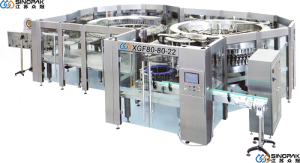
bottle water filling machine
5. Integration with Production Lines
Water filling machines are integral components of larger production lines. They are designed to seamlessly integrate with other machinery such as bottle washers, cappers, and labelers. This integration is essential for creating a smooth, continuous production process, reducing downtime, and increasing overall efficiency. Automated systems ensure synchronized operations, which is critical for maintaining high productivity levels.
6. Cost-Effectiveness
Investing in a high-quality water filling machine can lead to significant cost savings in the long run. These machines reduce labor costs by automating the filling process and minimizing the need for manual intervention. Additionally, their precision and efficiency help in reducing wastage, ensuring that resources are utilized optimally. The long operational life and durability of these machines further enhance their cost-effectiveness, making them a wise investment for any beverage production business.
7. Environmental Considerations
Sustainability is becoming increasingly important in today’s manufacturing landscape. Many water filling machines are designed with features that promote environmental sustainability. For instance, they can be configured to use minimal water and energy, reducing the overall environmental footprint of the production process. Some advanced models also support the use of recyclable materials and eco-friendly packaging solutions, aligning with global sustainability goals.
Conclusion
Water filling machines are indispensable in the beverage production industry, offering a myriad of functions that enhance precision, speed, hygiene, versatility, and cost-effectiveness. For businesses looking to optimize their production processes and maintain high standards of quality and safety, investing in a reliable water filling machine is crucial. As technology continues to advance, these machines will undoubtedly evolve, offering even more sophisticated solutions to meet the ever-growing demands of the market.
Understanding the comprehensive functionality of water filling machines helps businesses make informed decisions, ensuring they choose the right equipment to meet their specific needs and achieve their production goals efficiently.
