

 Français
  Español
  Português
  العربية
 Packaging is one of the last steps in manufacturing, but it plays a critical role in protecting products, maintaining quality, and ensuring delivery efficiency. As production volumes grow and labor costs rise, more businesses are turning to automatic PE film wrapping machines to handle packaging tasks with greater speed, consistency, and control. This article looks at five core advantages that make these machines a valuable asset in modern packaging lines.
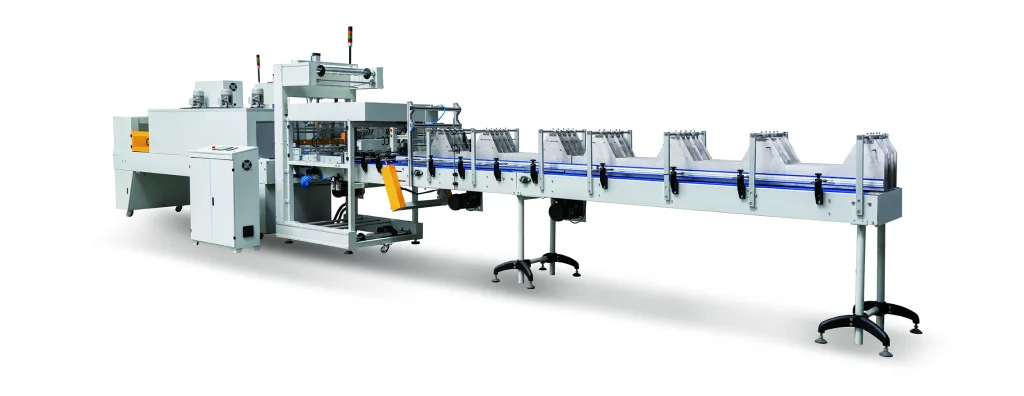
Fully automated systems free up valuable resources
The most obvious benefit of choosing an automatic PE film wrapping machine is the shift from manual labor to continuous, hands-free operation. Once set up, the machine takes over the task of wrapping products with precision and speed. Operators don’t need to monitor each item, cut the film, or manually secure the wrap. Instead, the entire process is managed by sensors, servo motors, and programmed sequences.
This automation allows production teams to reallocate labor to other essential tasks. In facilities where labor is scarce or costs are rising, this adjustment can have a major impact. By replacing repetitive manual work with automated systems, businesses can reduce staffing needs on the line while improving overall productivity. It also minimizes worker fatigue and potential injury, creating a safer workplace.

In environments where packaging volume is high, the savings grow rapidly. A machine that wraps hundreds of units per hour without breaks offers output levels far beyond what a manual team can achieve. The end result is more product wrapped, more orders shipped, and fewer delays caused by human error or staffing shortages.
Smart control systems improve consistency
Manual wrapping isn’t just slow—it’s also inconsistent. One worker might use too much film, another too little. Edges might be loose on one product and overly tight on the next. This lack of standardization impacts product appearance, protection, and even customer perception.
An automatic PE film wrapping machine eliminates this variability. With pre-set parameters, each unit is wrapped to the exact same tension, coverage, and finish. Film tension, speed, and sealing are all adjusted dynamically in response to product size and position. Sensors detect each item and align the film automatically, reducing the chances of slippage or misalignment.
The result is a neater, tighter wrap that holds its shape during storage and transport. In industries where packaging integrity is critical—such as food, beverages, electronics, and household goods—this level of uniformity is essential. It keeps products clean, dry, and presentable, even after long-distance shipping or months in a warehouse.
Advanced machines also offer customization through control panels. Parameters can be fine-tuned with ease, allowing operators to switch between product types or packaging styles without needing to manually reset the system. That kind of flexibility saves time and reduces the learning curve for new staff.
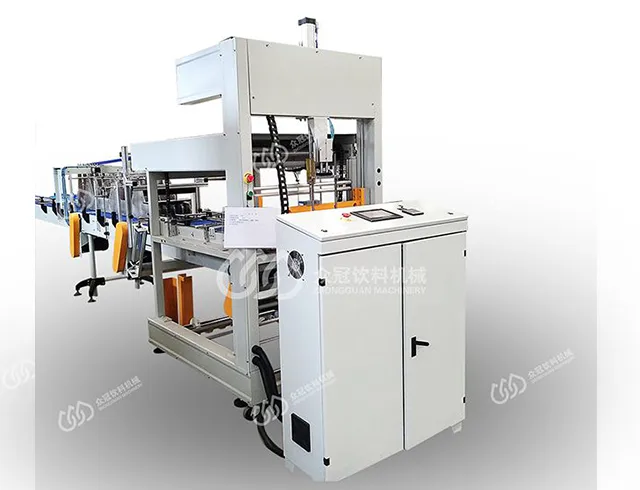
Seamless integration with production lines increases speed
An automatic PE film wrapping machine doesn’t operate in isolation. It’s typically installed as part of a larger packaging system that includes conveyors, labeling units, shrink tunnels, and palletizers. When properly integrated, these systems form a continuous flow that minimizes handling and accelerates throughput.
For example, after products are filled and sealed, they can move directly to the wrapping station via conveyor. The wrapping machine then applies film with precision, and the package continues downstream without delay. This eliminates wait times and manual transfer steps, two common bottlenecks in traditional lines.
Integration also improves communication between machines. Modern wrapping systems use PLCs and touchscreens to coordinate timing and signals with other equipment. This coordination ensures that every product is wrapped at the right moment and that any jams or issues are detected quickly.
Over time, this translates to faster overall output. More units per shift, less downtime, and a more reliable process from start to finish. For businesses under pressure to meet large-scale orders or reduce lead times, this efficiency is critical. It allows facilities to keep up with customer demand without sacrificing quality.
Long-term cost savings from lower waste and maintenance
Automation often comes with the perception of high upfront cost. However, when viewed over months or years of operation, automatic PE film wrapping machines often prove to be more economical than manual or semi-automatic alternatives.
One key reason is material savings. Manual wrapping tends to use excess film due to lack of precision. In contrast, automatic systems calculate the exact amount needed and apply it uniformly. Even small reductions in film use add up quickly in high-volume settings, leading to notable cost reductions.
Another factor is reduced product damage. Properly wrapped items are less likely to shift, leak, or break during transportation. This minimizes return rates, customer complaints, and losses due to damaged goods.
Maintenance costs are also lower in many cases. Automatic machines are designed for durability and continuous use. With fewer moving parts exposed to manual handling, there’s less wear and tear. Routine servicing can keep them running smoothly for years, while software-based diagnostics help identify potential issues before they cause downtime.
Combined, these elements support a strong return on investment. Businesses not only cut daily operational costs but also extend the lifespan of both the packaging line and the wrapped products themselves.
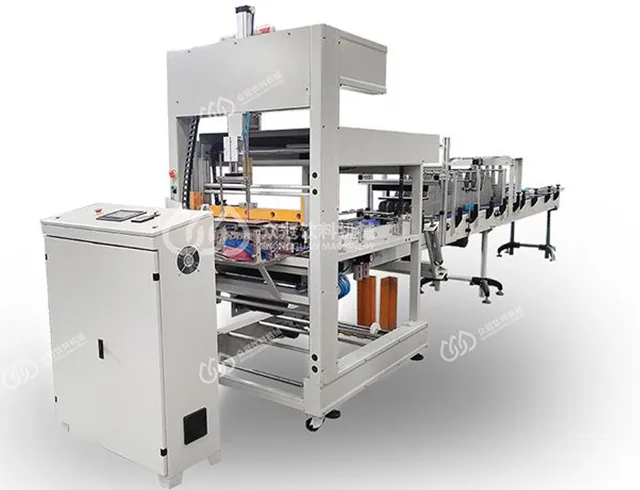
Built-in flexibility supports varied production needs
Production isn’t always static. Product dimensions change. Orders vary by region. Packaging requirements evolve. A good automatic wrapping solution must be able to keep up with these shifts—and the best machines are built for precisely that.
Many automatic PE film wrapping machines include features that allow quick changeovers between product sizes and formats. Adjustable film dispensers, motorized guides, and programmable settings make it easy to adapt to new SKUs or packaging styles without extended downtime.
For manufacturers with diverse product lines, this flexibility is especially valuable. Whether wrapping single units, multi-packs, or grouped trays, the same machine can often handle them all. Some systems also support both heat-shrink and stretch wrapping, depending on the film type used.
Even seasonal packaging changes or promotional campaigns can be accommodated with minimal reconfiguration. This responsiveness allows businesses to serve more markets without needing separate equipment for each use case.
By eliminating the rigidity of traditional wrapping setups, automated systems empower manufacturers to operate with agility—and in competitive industries, agility is often the difference between meeting demand and falling behind.
Better performance begins with better machinery
Choosing an automatic PE film wrapping machine isn’t just about speeding up a task. It’s about transforming how your entire packaging line operates. From reducing labor dependency to improving output quality, the advantages are clear and measurable.
These machines bring precision, speed, and control to a process that’s long been hindered by manual inconsistency. For companies that package high volumes—or those looking to scale without sacrificing quality—automation provides a reliable foundation for growth.
Conclusion
For manufacturers seeking to improve packaging operations, switching to an automatic PE film wrapping machine offers a practical and profitable path forward. With the ability to reduce labor costs, maintain consistent quality, and boost packaging speed, automation is more than just an upgrade—it’s a long-term advantage.
At Sinopak Machinery, we provide tailored automatic packaging solutions designed for real-world industrial use. Our machines are engineered for performance, reliability, and ease of integration, helping businesses like yours stay efficient in today’s demanding markets.
Want to know more? Reach us at sales@sinopakmachinery.com or visit www.sinopakmachinery.com.
