

 Français
  Español
  Português
  العربية
 In the fast-paced world of beverage manufacturing, juice and tea filling machines are critical assets. They ensure that every bottle is filled with the right volume, at the right temperature, with minimal contamination. But even the most advanced equipment can falter—if not properly maintained.
Poor maintenance can lead to production downtime, product loss, contamination, and even expensive equipment damage. On the other hand, regular and strategic maintenance keeps your bottling line efficient, extends the machine’s lifespan, and safeguards product quality.
In this article, we’ll explore why maintenance matters, how to do it right, and insider tips to keep your juice/tea filling machine running at peak performance.

Why Maintenance Is Crucial in the Juice & Tea Bottling Industry
1. Avoid Costly Downtime
Unplanned equipment failure can halt your production line for hours—or even days. In the beverage industry, this can mean lost revenue, unmet orders, and strained relationships with retailers or distributors.
2. Ensure Beverage Quality and Hygiene
Juice and tea products are sensitive to microbial contamination, oxidation, and temperature fluctuations. If machines aren’t cleaned and inspected regularly, even a small leak or residue build-up can compromise product safety and taste.
3. Meet Compliance Standards
Regulatory bodies in different countries (FDA, CE, ISO, etc.) require that your bottling line meets strict hygiene and operational standards. A well-maintained filling machine helps pass inspections and avoids fines or shutdowns.
4. Extend Equipment Lifespan
Routine upkeep reduces wear and tear on critical components like pumps, valves, gaskets, and filling nozzles. This means fewer part replacements, less labor cost, and longer machine service life.
5. Reduce Operating Costs
Dirty machines consume more energy, waste more product, and require more frequent repairs. Preventative maintenance is always cheaper than emergency repairs.
Key Areas That Require Regular Maintenance
To keep your juice or tea filling machine running smoothly, focus on these critical systems:
| Component | Common Issues | Maintenance Needed |
|---|---|---|
| Filling Valves | Blockage, leakage | Clean daily; check seals weekly |
| Seals & Gaskets | Wear & tear | Inspect and replace monthly |
| Pumps | Clogging or loss of pressure | Flush after each production cycle |
| Conveyors | Misalignment or jamming | Lubricate and align weekly |
| Sensors | Inaccuracy or misreading | Calibrate monthly |
| CIP System | Residue buildup | Test performance regularly |
At SinoPAK Machinery, our machines are designed with easy-access panels and modular designs, making maintenance faster and safer.
Daily, Weekly, and Monthly Maintenance Checklist
Daily
Clean filling nozzles with food-grade disinfectant
Rinse product contact areas using CIP (Clean-in-Place) systems
Check air compressors and vacuum levels
Inspect for visible leaks, residue, or abnormal sounds
Weekly
Lubricate gears, bearings, and chains
Tighten bolts and fasteners
Check HMI screen logs for abnormal error codes
Clean labelers and conveyors from adhesive or debris
Monthly
Calibrate sensors (liquid level, temperature, pressure)
Inspect and replace worn-out seals or O-rings
Test temperature control systems for hot-fill lines
Run a mock filling cycle for quality assurance
Tip: Keep a digital logbook of all maintenance tasks—track issues, replacements, and technician notes.
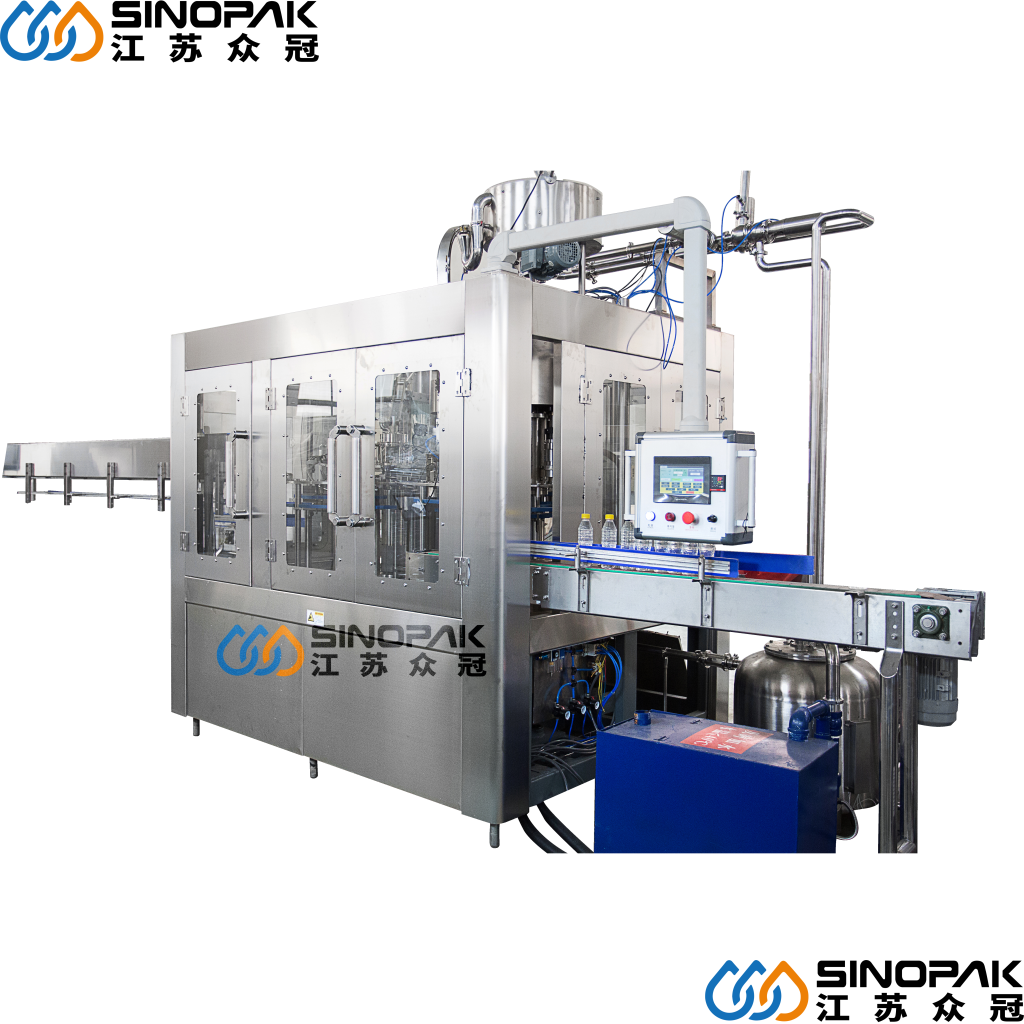
Common Maintenance Mistakes to Avoid
Even well-intentioned maintenance can go wrong. Avoid these costly mistakes:
Skipping Preventive Maintenance
Waiting for something to break before fixing it results in higher repair costs and longer downtimes.
Using Harsh or Incompatible Cleaning Chemicals
Some cleaners damage stainless steel or leave residues. Always use food-grade, manufacturer-approved cleaning agents.
Ignoring Software/Firmware Updates
Modern juice filling machines run on PLC systems. Updates improve performance and security. Don’t ignore them.
Undertrained Operators
Operators should understand both production and maintenance basics. Poor handling accelerates wear and tear.
SinoPAK provides on-site and online training to help clients avoid these issues.
Advanced Maintenance Features in SinoPAK Filling Machines
To support long-term efficiency, SinoPAK’s juice and tea filling lines are equipped with intelligent maintenance features:
Self-diagnostic systems: Alerts operators to potential faults before they cause a breakdown.
Modular design: Easy access to change wear parts.
CIP automation: Ensures effective cleaning between shifts or product changes.
Digital control panel (HMI): Tracks maintenance history and error codes.
These features not only reduce your maintenance workload but also ensure food safety compliance.
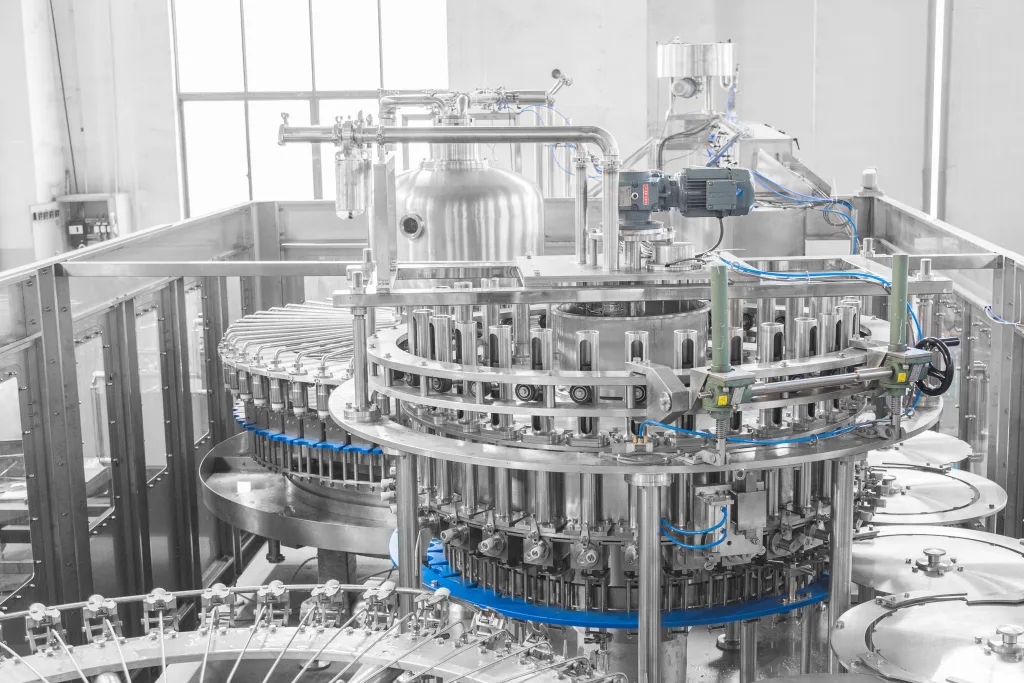
Pulp filling part
Spare Parts Strategy: Always Be Prepared
A good maintenance program includes spare parts management. Always keep a stock of:
Filling valve seals
Pump diaphragms
O-rings and gaskets
Sensor modules
Air filters and bearings
SinoPAK provides a standard spare parts package with every machine and supports global express delivery for urgent replacements.
Can Maintenance Be Outsourced?
Yes—if you don’t have an in-house technical team, outsourcing maintenance to certified engineers can be a smart move. Many SinoPAK customers sign annual maintenance contracts with our service team for:
Quarterly inspections
Emergency repairs
Firmware updates
Operator retraining
This reduces stress, improves performance, and extends your machine’s ROI.
Real-World Case Example: Preventing Downtime with Proactive Maintenance
One of our clients in the Middle East running a 5,000BPH tea bottling line experienced inconsistent filling volumes. After remote diagnostics, we identified a sensor calibration issue and guided their technician via video call. Within 30 minutes, the line was back at full efficiency—no parts needed, no downtime losses.
Lesson: Trained staff + good tools = quick fixes.
Final Tips for Juice/Tea Bottling Line Maintenance
Create a preventive maintenance schedule (daily/weekly/monthly)
Train your team on cleaning procedures and machine handling
Use only OEM spare parts to ensure compatibility and safety
Monitor performance logs from the control system regularly
Partner with a responsive supplier who offers ongoing support
Why Choose SinoPAK for Your Juice/Tea Filling Equipment?
At Jiangsu SinoPAK Machinery Co., Ltd., we go beyond supplying equipment. We provide full lifecycle support, including:
Free training and technical documents
Detailed maintenance guides
CIP integration and auto-cleaning tech
Smart alarms and diagnostics
24/7 online support + overseas technician dispatch
Whether you’re running a hot fill mango juice line or a cold fill herbal tea project, SinoPAK ensures your equipment runs efficiently—day after day, year after year.
Conclusion
Maintenance isn’t just a technical task—it’s a strategic investment. A properly maintained juice or tea filling machine ensures consistent product quality, regulatory compliance, and lower operational costs.
By following structured maintenance routines and working with an experienced partner like SinoPAK, your bottling operation can achieve long-term success and profitability.
Need help setting up a maintenance plan or spare parts strategy? Contact SinoPAK for expert advice tailored to your factory.
