

 Français
  Español
  Português
  العربية
 In the world of carbonated beverage production, maintaining the right pressure throughout the filling process is crucial. The carbonation in soft drinks, such as soda and sparkling water, owes its distinctive fizz to dissolved CO₂ gas. Without proper pressure control, maintaining the ideal carbonation level and overall product quality becomes nearly impossible. This article explores why precise pressure control is essential for carbonated beverage filling machines and the role it plays in producing high-quality drinks that satisfy customer expectations.
The Importance of Pressure Control in Carbonated Beverages
Pressure plays a pivotal role in carbonated beverages because it directly affects the dissolution and retention of CO₂ in the liquid. When filling carbonated drinks, precise pressure control ensures the CO₂ stays dissolved within the beverage, providing the signature effervescence and flavor that consumers expect. If the pressure is too low, the CO₂ escapes, leading to a flat drink. On the other hand, excessive pressure can cause over-carbonation, leading to foam or spillage during filling and capping.
Beyond carbonation, controlling pressure also helps prevent oxidation. Oxygen can cause the drink to spoil, negatively impacting taste and shortening shelf life. Consistent pressure during filling creates a barrier that reduces oxygen exposure, maintaining the freshness and taste of the beverage for longer.

How Pressure Affects Carbonation Stability
The relationship between CO₂ and pressure is fundamental to carbonated drinks. CO₂ gas dissolves in the liquid under pressure, and this balance needs to be maintained throughout the filling process. If the pressure drops too much during filling, CO₂ escapes from the liquid, and the drink becomes flat. This results in a beverage that lacks the refreshing sparkle consumers expect.
At the other end of the spectrum, excessive pressure can lead to the creation of foam as the CO₂ gas rapidly escapes when the bottle is opened. This disrupts the drink’s intended taste and can lead to overflow during the filling process. Such inconsistencies are especially critical when high-speed filling systems are used, as variations in pressure can cause significant deviations in product quality across large batches.
Why Precise Pressure Control Is Essential for Carbonated Beverage Filling Machines
For modern beverage manufacturers, pressure control is a key factor in ensuring both product quality and operational efficiency. Carbonated soft drink filling machines are designed to handle the delicate task of maintaining the correct pressure during the entire filling process. By utilizing advanced technologies such as pressure sensors, regulators, and backpressure systems, these machines provide a level of precision that ensures uniform carbonation in every bottle.
The most important aspect of pressure control is its role in maintaining stable CO₂ levels. Whether it’s a small batch or a high-speed production line, pressure needs to be constant to keep carbonation levels consistent. Any fluctuation can result in drinks that are either under-carbonated or over-carbonated, both of which will lead to customer dissatisfaction.
Another advantage of precise pressure control is the prevention of foam during the filling process. With high-speed filling machines, especially those used for carbonated soft drinks, pressure consistency helps avoid excessive foaming. Properly adjusted filling systems allow the beverage to enter the bottle without disturbing the carbonation, ensuring that each bottle is filled to the exact level and without foam.
Key Technologies for Achieving Precise Pressure Control
Carbonated beverage filling machines come equipped with several technologies designed to ensure precise pressure control throughout the filling process.
- Pressure Sensors:These devices continuously monitor the internal pressure of both the beverage and the filling tank. By providing real-time feedback, pressure sensors allow the system to adjust pressure automatically, maintaining the correct CO₂ levels at all times.
- Pressure Regulators:These regulate the flow of CO₂ gas into the filling machine. The regulator ensures that the gas is delivered at a precise pressure, which is crucial for achieving the desired carbonation levels.
- Backpressure Systems:These systems maintain constant pressure inside the bottle during the filling process. By applying counter-pressure, the backpressure system prevents the beverage from foaming and helps stabilize carbonation.
- Programmable Logic Controllers (PLCs):The PLCs in modern filling machines control all functions, including pressure regulation, flow rate, and filling speed. These intelligent control systems allow for high precision and consistency, ensuring that every bottle receives the same level of carbonation.
How Poor Pressure Control Affects Beverage Manufacturers
Poor pressure control during the filling process can lead to several problems for beverage manufacturers. If CO₂ levels are not accurately maintained, the drink may lose its effervescence or develop excessive foam, both of which can impact taste and customer satisfaction. Additionally, inconsistency in carbonation can lead to increased product wastage and the need for rework, both of which hurt profitability.
Furthermore, poor pressure control can lead to higher levels of oxygen in the bottle, which can lead to spoilage and a shorter shelf life for the product. This affects the brand’s reputation and can result in customer complaints. Inconsistent carbonation can also cause operational challenges, as production efficiency is reduced when machines must stop for adjustments or troubleshooting.
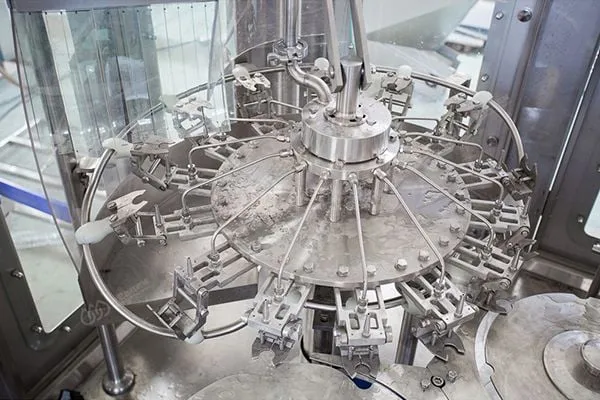
How to Choose the Right Carbonated Beverage Filling Machine with Accurate Pressure Control
When selecting a carbonated beverage filling machine, it’s essential to prioritize equipment with precise pressure control capabilities. Look for machines equipped with advanced pressure regulation systems that can maintain consistent CO₂ levels during the entire filling process. Additionally, machines with automatic pressure compensation will adjust pressure for varying environmental conditions, ensuring that carbonation remains stable despite temperature fluctuations.
Choosing a filling machine with integrated backpressure systems will help prevent foaming and ensure that CO₂ stays dissolved in the beverage. The ability to easily adjust pressure settings and monitor real-time feedback through an intuitive control panel is also crucial for operators to maintain high product quality.
Conclusion
Precise pressure control is at the heart of any successful carbonated beverage filling operation. It ensures that every bottle is consistently carbonated, reducing waste and increasing production efficiency. When selecting a filling machine, manufacturers must prioritize technology that offers accurate pressure control, ensuring high-quality, effervescent beverages that meet customer expectations. For more information about high-performance carbonated beverage filling machines, contact SinoPAK Machinery, your trusted partner for reliable and efficient filling solutions.
