

 Français
  Español
  Português
  العربية
 Choosing the right filling system is one of the most important decisions in any beverage or liquid production line. Whether you operate a small workshop or a large-scale factory, the filling equipment you choose directly affects production speed, product quality, labor requirements, and long-term costs. Among the many types of filling machines, inline filling systems and rotary filling systems are the two most common choices. To help you find the best option for your production needs, this article compares both systems and explains how each performs in different operations.
Why the Type of Filling System Matters
Before comparing inline and rotary machines, it is useful to understand why system structure is important. No matter the industry—whether you are using a water filling machine, a juice line, or any other liquid filling machine—the layout determines the maximum output, accuracy, and efficiency of your production. A suitable system helps reduce downtime, lower operating costs, and maintain stable product quality. This is why choosing between inline and rotary structures is a key step in building a proper filling line.
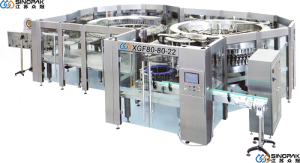
Understanding Inline and Rotary Filling Systems
1. What Is an Inline Filling System?
To begin, an inline filling system runs in a straight line. Bottles are transported through a conveyor and move from one station to the next until filling is completed. Because of its simple design, an inline system is flexible and suitable for factories that produce multiple bottle sizes or different types of liquid products. It works well for medium output and operations where frequent changes are required.
2. What Is a Rotary Filling System?
In contrast, a rotary filling system arranges the filling heads around a rotating carousel. As the machine turns, multiple bottles are filled at the same time. This design allows continuous, high-speed operation. For industries like bottled water, carbonated drinks, or large-volume beverage plants, rotary machines are the standard choice due to their high capacity and stable performance.
Key Differences Between Inline and Rotary Systems
1. Production Speed and Output
One of the biggest differences is production speed. Inline systems offer moderate output, which is ideal for small and medium operations. Rotary machines, however, are designed for fast and continuous work, making them perfect for high-volume beverage factories. For example, large bottled-water lines typically rely on rotary water filling machines to meet market demand.
2. Filling Accuracy and Stability
Both system types can provide accurate filling, but their strengths differ. Inline machines are easy to adjust when changing liquid types or bottle shapes, which is helpful for producers handling different viscosities or formulas. Rotary systems deliver highly stable filling accuracy at high speed, making them more suitable for standardized, single-product lines.
3. Space and Layout Requirements
Another difference involves floor space. Inline systems are usually compact and easier to place in small or irregular workshops. Rotary systems require more space and are better suited for standardized factory layouts with straightforward material flow.
4. Maintenance and Operation
Maintenance is also an important factor. Inline systems have a simpler structure, making cleaning, part replacement, and general maintenance easier. Rotary systems are more complex and require skilled operators or trained maintenance staff. However, when well maintained, rotary machines offer excellent long-term reliability for high-volume operations.
5. Cost and Return on Investment
Inline systems usually require lower initial investment, making them ideal for start-ups or small manufacturers. Rotary systems, although more expensive, provide faster production and higher efficiency, which improves return on investment for large factories with high daily output.
Choosing the Right System for Your Application
1. High-Speed Bottled Water and Soft Drink Production
For operations like bottle water plants or carbonated beverage lines, a rotary water filling machine is usually the better option. The high production speed and continuous operation match the demands of large-scale beverage manufacturing.
2. Juice, Still Drinks, and Multi-Formula Production
If your production requires frequent cleaning or switching between formulas, an inline system may be more practical. It offers easier adjustments and shorter changeover time, which is helpful when making juices, teas, or functional drinks.
3. Oil and Chemical Products
For thick, sticky, or corrosive liquid products, inline liquid filling machines provide better flexibility and safer operation. They can handle different viscosity levels more easily and offer better control during filling.
4. Small and Medium Factories
If you are building a new production line or expanding gradually, an inline system may be the most cost-effective starting point. As output increases, the operation can later upgrade to a rotary system for higher production speed.
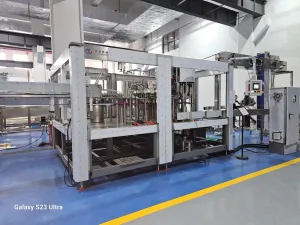
Practical Checklist for Selecting the Best System
To make a confident decision, consider the following:
- Expected output (bottles per hour)
- Type of liquid (water, juice, oil, chemical solutions, etc.)
- Bottle shapes and size changes
- Available factory space
- Maintenance skills and manpower
- Budget and long-term growth plans
Reviewing these factors helps ensure the system fits both your current production and future expansion.
Conclusion:Finding the Best Match for Your Operation
In summary, both inline and rotary filling systems have clear advantages. Inline systems offer flexibility, ease of maintenance, and lower investment, while rotary systems provide high-speed operation and strong production stability. The best choice depends on your production scale, product type, and long-term business goals. Whether you are searching for a reliable water filling machine or a high-performance liquid filling machine, selecting the right structure will help your operation achieve stable and efficient production.
For expert guidance and complete beverage filling solutions, SinoPAK Machinery, a professional Bottle Water Filling Machines manufacturer, is ready to support your project with industry experience and customized system design.
