

 Français
  Español
  Português
  العربية
 When beverage and liquid food manufacturers plan a new production line, choosing between hot fill and aseptic fill is one of the most important decisions. This choice affects product safety, shelf life, packaging design, investment cost, and market positioning. As consumer demand grows for preservative-free drinks and long shelf-life products, companies must select the right filling technology to stay competitive. Therefore, understanding the difference between hot fill vs aseptic filling helps manufacturers reduce risk and improve production efficiency.
What Is Hot Fill Processing?
To begin with, hot fill processing is a well-established method widely used for high-acid beverages. In this process, the product is heated to a high temperature, typically around 85–95°C (185–195°F), and filled into containers while still hot. The heat of the liquid sterilizes the bottle and cap before sealing.
Hot fill is commonly used for products with a pH below 4.6, such as fruit juices, teas, sports drinks, and sauces. Because these products are naturally acidic, they are less likely to support harmful microbial growth.
In terms of advantages, hot fill systems require relatively simple equipment and lower initial investment. They are also reliable and suitable for medium-scale production. However, there are limitations. High temperatures may affect flavor, color, and nutrients, especially for heat-sensitive beverages. In addition, containers must be heat-resistant, which can restrict packaging options and increase material costs.
What Is Aseptic Filling?
In contrast, aseptic filling is a more advanced technology designed for low-acid and sensitive products. In this method, the product and the packaging are sterilized separately and then combined in a sterile environment.
Typically, the liquid is sterilized using ultra-high-temperature treatment (UHT), then cooled to room temperature before filling. Meanwhile, containers are sterilized using methods such as hydrogen peroxide or steam. The filling process takes place in a controlled sterile chamber to prevent contamination.
Aseptic filling is ideal for products with a pH above 4.6, including dairy beverages, plant-based milk, protein drinks, and nutritional liquids. Because the product is not exposed to prolonged heat during filling, it better preserves taste, color, and nutrients.
Although aseptic systems provide longer shelf life—often more than 12 months at room temperature—they require higher capital investment and strict operational control. The equipment is more complex and usually involves automated cleaning and sterilization systems.
Technical Comparison: Hot Fill vs Aseptic Fill
To better understand the differences, it is useful to compare key factors directly.
Hot fill relies on the product’s heat to sterilize the container, while aseptic filling uses separate sterilization for both product and packaging. Hot fill operates at high filling temperatures, whereas aseptic filling occurs at ambient temperature in a sterile environment.
From an investment perspective, hot fill lines generally cost less and are easier to maintain. On the other hand, aseptic lines offer superior product quality and longer shelf life, making them suitable for premium markets and export products.

Production Line Differences
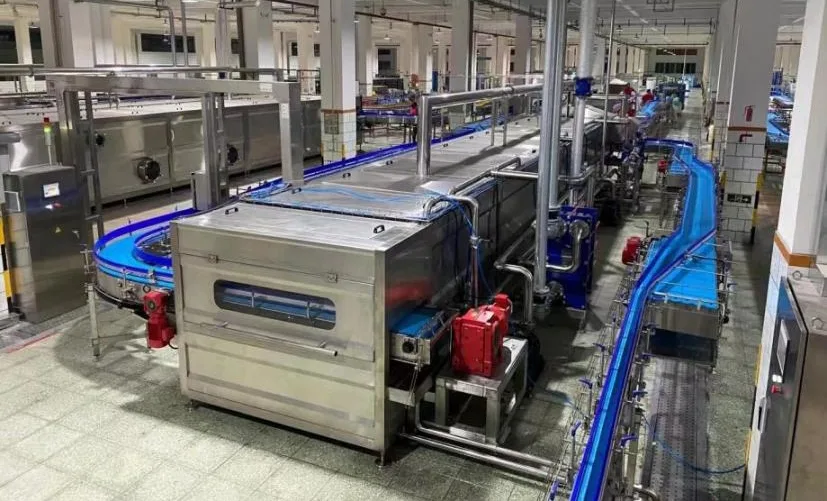
Furthermore, the two methods require different production line configurations. A typical hot fill line includes a heating system, hot filling machine, cap sterilization stage, and cooling tunnel. The cooling step is necessary to stabilize the bottle shape after filling.
By comparison, an aseptic filling line includes UHT sterilization equipment, aseptic storage tanks, sterile air systems, and an aseptic filling machine. These components work together to maintain a contamination-free environment throughout production.
Because of these differences, manufacturers must evaluate factory space, utility requirements, and technical expertise before selecting a system.
Cost and Packaging Considerations
In addition, packaging requirements vary significantly. Hot fill requires heat-resistant bottles that can withstand high temperatures without deformation. This often leads to thicker container walls.
Aseptic filling allows the use of lighter bottles because the filling temperature is low. As a result, manufacturers can reduce packaging material consumption and transportation costs.
Regarding total cost, hot fill offers lower upfront investment but may involve higher energy consumption due to heating and cooling cycles. Aseptic filling requires higher initial spending but can reduce long-term costs through energy savings and extended shelf life.
How to Choose the Right Method
Ultimately, the decision depends on product characteristics and business goals. Manufacturers should consider product acidity, heat sensitivity, desired shelf life, target market, and budget.
Hot fill is usually the better choice for high-acid beverages and cost-sensitive projects. In contrast, aseptic filling is ideal for low-acid products, premium quality requirements, and long shelf life without refrigeration.
Conclusion: Selecting the Best Filling Technology for Your Business
In summary, both hot fill and aseptic fill technologies play essential roles in modern beverage manufacturing. Hot fill provides a reliable and cost-effective solution for acidic drinks, while aseptic filling enables the production of high-quality, shelf-stable products with minimal thermal impact.
Carefully evaluating your product type, production scale, and market strategy will help you choose the most suitable filling system and maximize long-term returns.
If you are planning to invest in a new beverage production line and need expert guidance, SinoPAK Machinery offers professional solutions for hot fill, aseptic fill, and complete liquid packaging systems. As an experienced manufacturer of beverage filling equipment, SinoPAK provides customized designs, reliable machinery, and comprehensive technical support to help you improve efficiency and product quality. Contact SinoPAK Machinery today to discuss the best filling solution for your factory.
