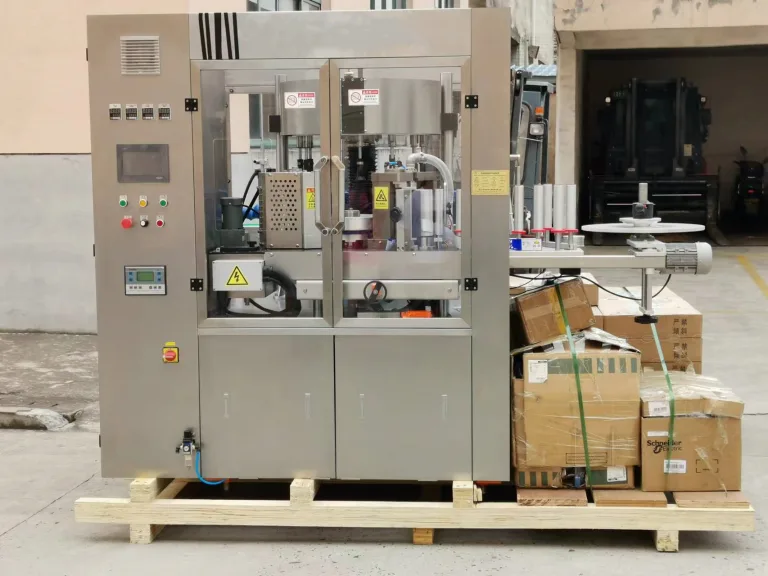
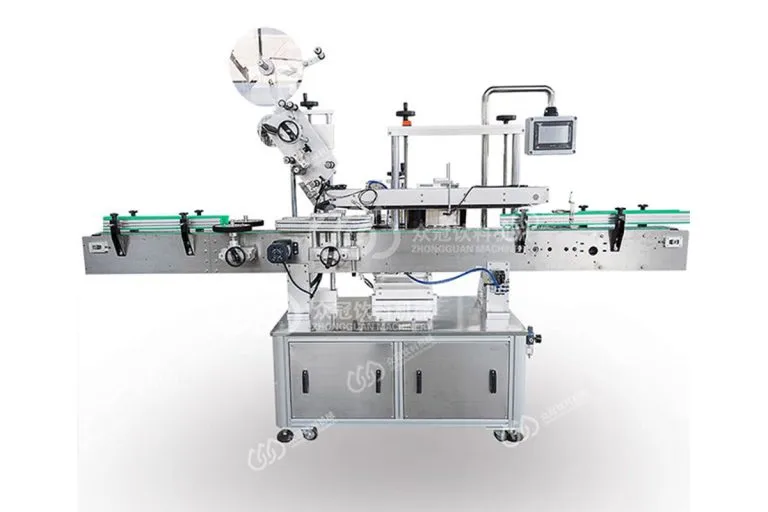
Linear OPP hot melt glue adhesive labeling machine is the newest continuous operation of the labeling machine.
The mainly used for container labeling cylindrical shape of detergents, beverages, mineral water, food etc. The material of label is using environmentally material of OPP films. It can be automatically oxidative decomposition and reduce production costs by more than 30 percent.
Labeling machine is control by PLC touch screen, all electric eye is using imported advanced configuration. This labeling machine with high speed, high accuracy, stable performance, easy to operate and look elegant appearance.
Rotary OPP hot melt glue adhesive labeling machine is the newest continuous operation of the labeling machine.
The mainly used for container labeling cylindrical shape of detergents, beverages, mineral water, food etc. The material of label is using environmentally material of OPP films. It can be automatically oxidative decomposition and reduce production costs by more than 30 percent.
Labeling machine is control by PLC touch screen, all electric eye is using imported advanced configuration. This labeling machine with high speed, high accuracy, stable performance, easy to operate and look elegant appearance.
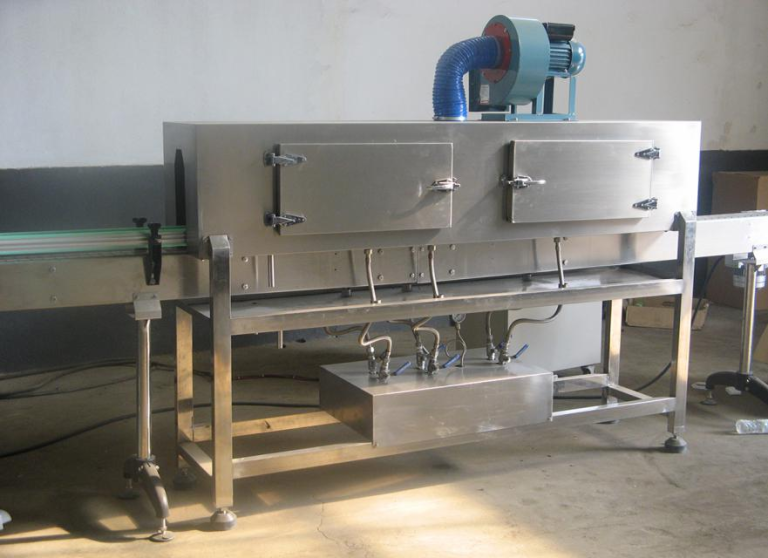
PM-1800 Steam Heating Shrink Tunnel can be applied to different and irregular bottle types, e.g. round,square and flat bottles. It adopts seamless tube, the distribution of low-pressure steam drum and the spout of steam use the separation style which make the tunnel smooth.
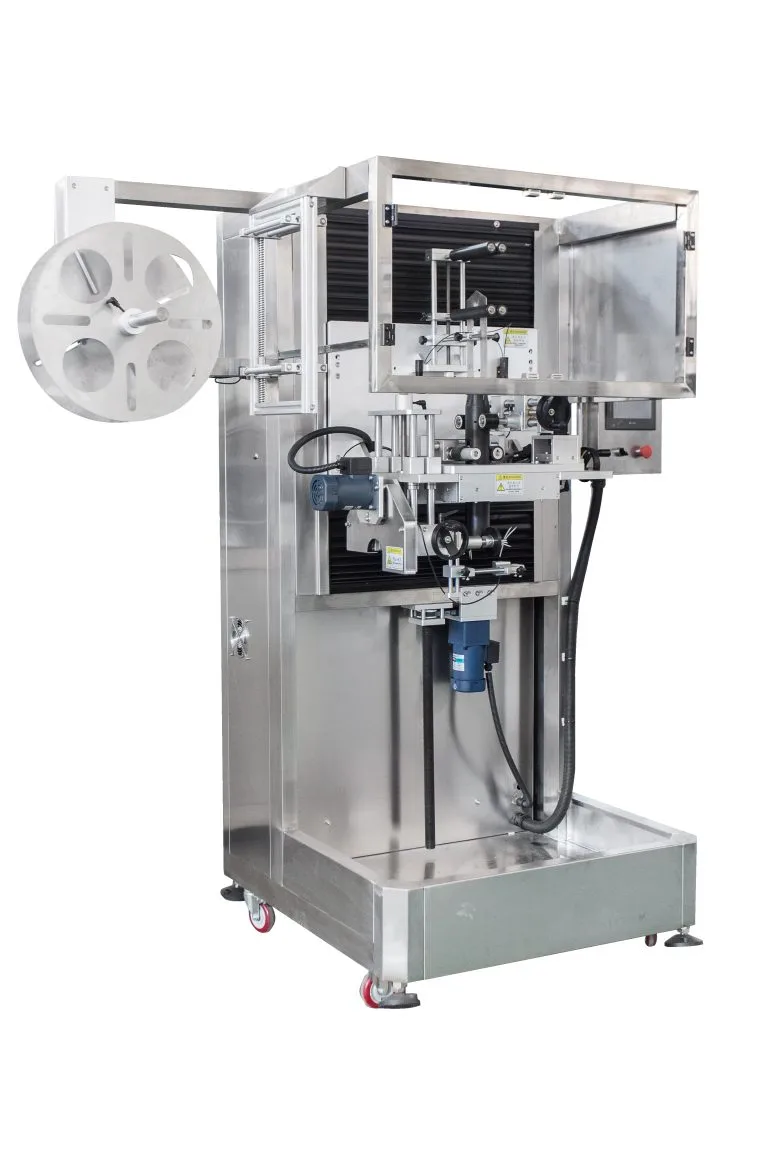
The machine is roughly the same as a single head sleeve labeller and is used in two main situations.
1: Sleeve the bottle and cap at the same time
2: There are high-speed requirements, photoelectric induction, parity alternating sets.
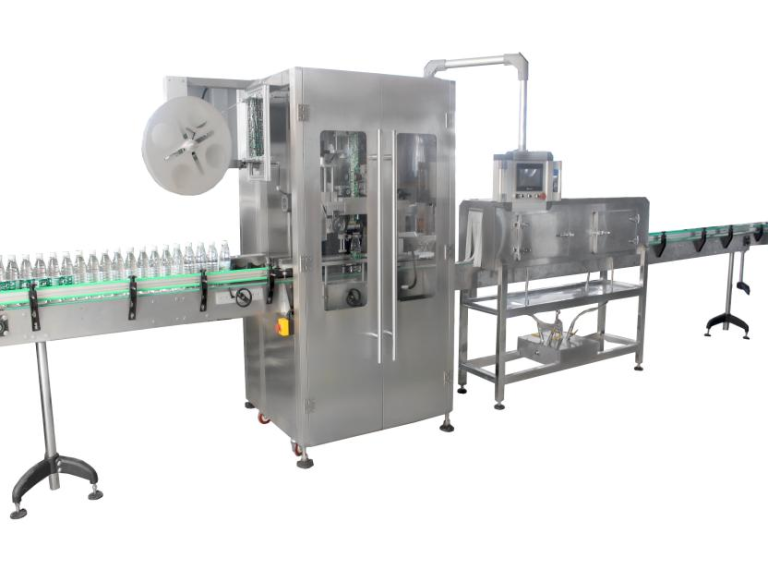
The machine is equipped with a TS-2000 Steam Heating Shrinking Oven
Sleeve Labeling Machine is custom built to meet the exacting demands of manufacturers and suppliers. It can be used stand alone or integrated in-line and matching filling equipment speeds.
This labeling machine is single head sleeve labelling machine,labels that can be wrapped around the whole bottle and labels that can be wrapped around a part of the bottle.
Applicable bottle types: glass bottles, cans, PET bottles, square-necked bottles, round-necked bottles, and so on.
PET Bottled and Tin Canned filling production line products.
Such as the filling and bottling production line of Mineral Water, Purified Water, Drinking Water, Beverage, Beer, Juice, Dairy, Condiment,etc.
Labeling Machines, also known as label applicators or labelers, are automated devices used to apply labels onto various products or packaging containers. These machines streamline the labeling process, ensuring precise placement, consistent application, and efficient production in industries such as food and beverage, pharmaceuticals, cosmetics, and more.
Labeling Machines ensure precise placement of labels on products, minimizing misalignment and enhancing product aesthetics.
Automated labeling processes increase production efficiency, reducing labor costs and improving throughput compared to manual labeling methods.
Labeling Machines are adaptable to various product shapes, sizes, and packaging materials, offering flexibility for diverse labeling requirements.
These machines provide consistent label application, maintaining brand identity and compliance with labeling regulations across product batches.
Labeling Machines feature mechanisms for dispensing labels from rolls or stacks, ensuring smooth and controlled label feeding during the labeling process.
Different machines utilize various application methods such as pressure-sensitive adhesive (PSA), hot melt glue, or shrink-sleeve application, depending on the labeling requirements and product characteristics.
Integrated conveyor systems allow for seamless integration with production lines and adjustable speed settings to accommodate different production rates.
Precision controls enable adjustment of label placement parameters, including orientation, position, and alignment, ensuring accurate label application according to product specifications.
Intuitive touchscreen interfaces facilitate easy operation, setup, and adjustment of labeling parameters, enhancing user convenience and productivity.
Labeling Machines are utilized for labeling food products, beverage bottles, cans, jars, and packaging containers with product information, nutrition facts, branding, and regulatory compliance labels.
Pharmaceutical companies use Labeling Machines for applying labels to medication bottles, vials, tubes, and packaging boxes with dosage instructions, expiration dates, barcodes, and safety warnings.
Beauty and cosmetic brands utilize Labeling Machines for labeling bottles, jars, tubes, and packaging containers with product names, ingredients, usage instructions, and branding labels.
Labeling Machines are employed in labeling household cleaning products, detergents, toiletries, and other consumer goods with product information, safety warnings, and branding labels.
Labeling Machines can apply various types of labels, including pressure-sensitive labels, adhesive labels, shrink sleeves, wraparound labels, and tamper-evident seals.
Yes, Labeling Machines are designed to accommodate a wide range of product shapes, sizes, and packaging materials, with adjustable labeling parameters to ensure precise and consistent label application.
Labeling speeds vary depending on machine specifications and label application methods, with some machines capable of labeling hundreds of products per minute to meet high-speed production requirements.
Yes, Labeling Machines can be seamlessly integrated into existing production lines, with adjustable conveyor systems and synchronization controls to ensure smooth operation and compatibility with various manufacturing setups.
Some advanced Labeling Machines feature built-in label inspection systems, including vision inspection cameras and sensors, to detect misaligned or defective labels and trigger automatic rejection or correction actions.
In summary, Labeling Machines play a crucial role in product identification, branding, and regulatory compliance across diverse industries. With their precision, efficiency, and versatility, these machines streamline the labeling process, ensuring consistent and professional results for manufacturers and enhancing the appeal and marketability of their products.


 Français
  Español
  Português
  العربية